Elora
Designed To Heal: UX Design For Accessible Art Therapy Resources Supporting At-Risk Youth (Elora)
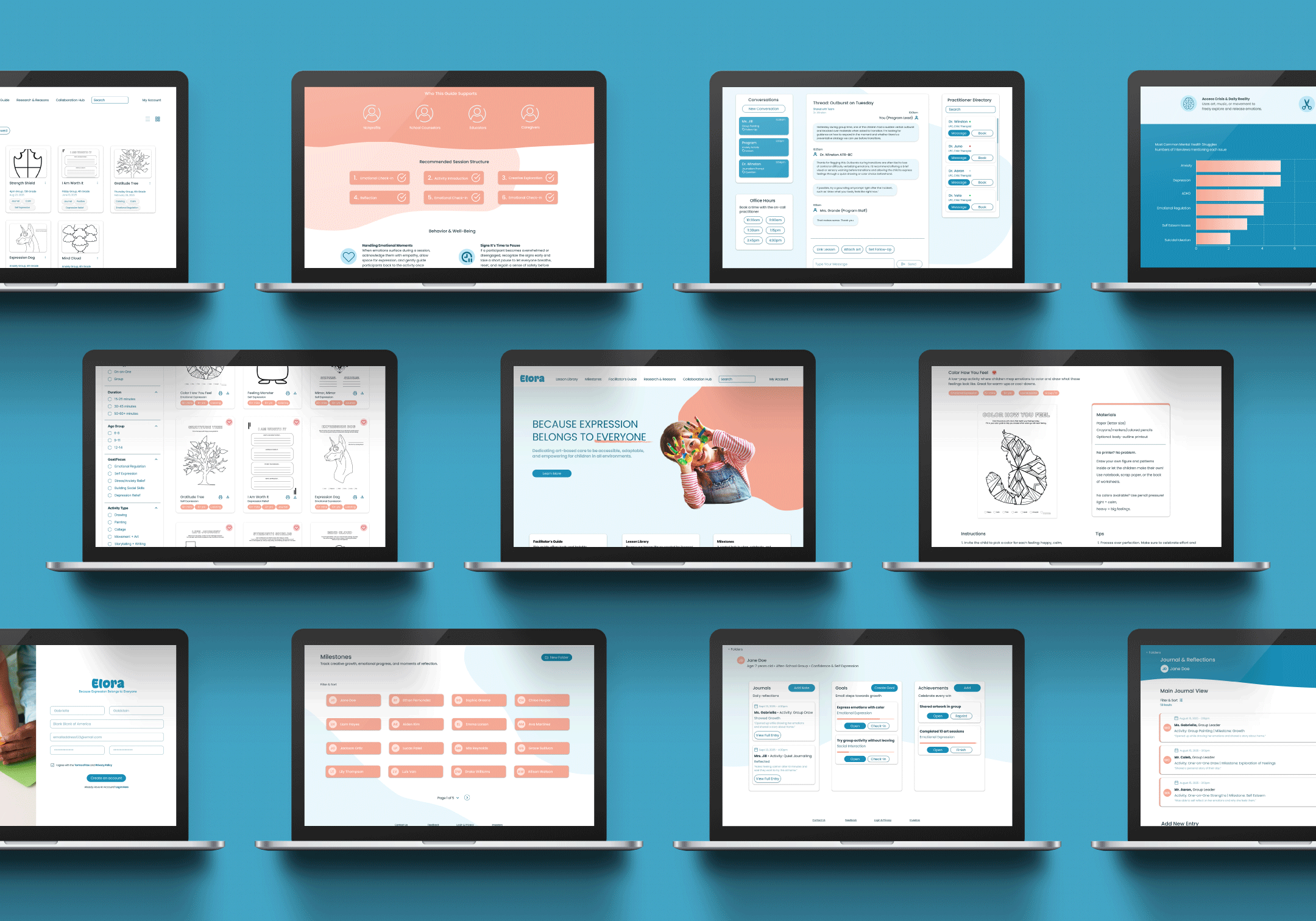
MFA/MS Thesis Project: Elora is a research-driven digital platform designed to expand access to art therapy resources for those working directly with children. The project investigates how digital designs can centralize fragmented resources, such as lesson plans, facilitator guidance, communication with mental health practitioners, educational resources, and progress tracking into one accessible environment. Through research, stakeholder interviews, and iterative prototyping, Elora demonstrates how design can support emotional care, accessibility, and facilitator confidence when implementing art therapy practices.
Publication: Copyright under Iowa State University: May 2026
Written Thesis Access: https://dr.lib.iastate.edu/items/efbf2b6b-e463-4e1a-9734-5d5671446376
Year: 2024-2026
Tools: Adobe Creative Suite, Figma

The Problem
Facilitators reported needing to search across different systems for lesson plans, documentation tools, training materials, and professional guidance. This fragmentation increases cognitive load and often leads to lesson plans being shortened, altered, or abandoned altogether.
Research
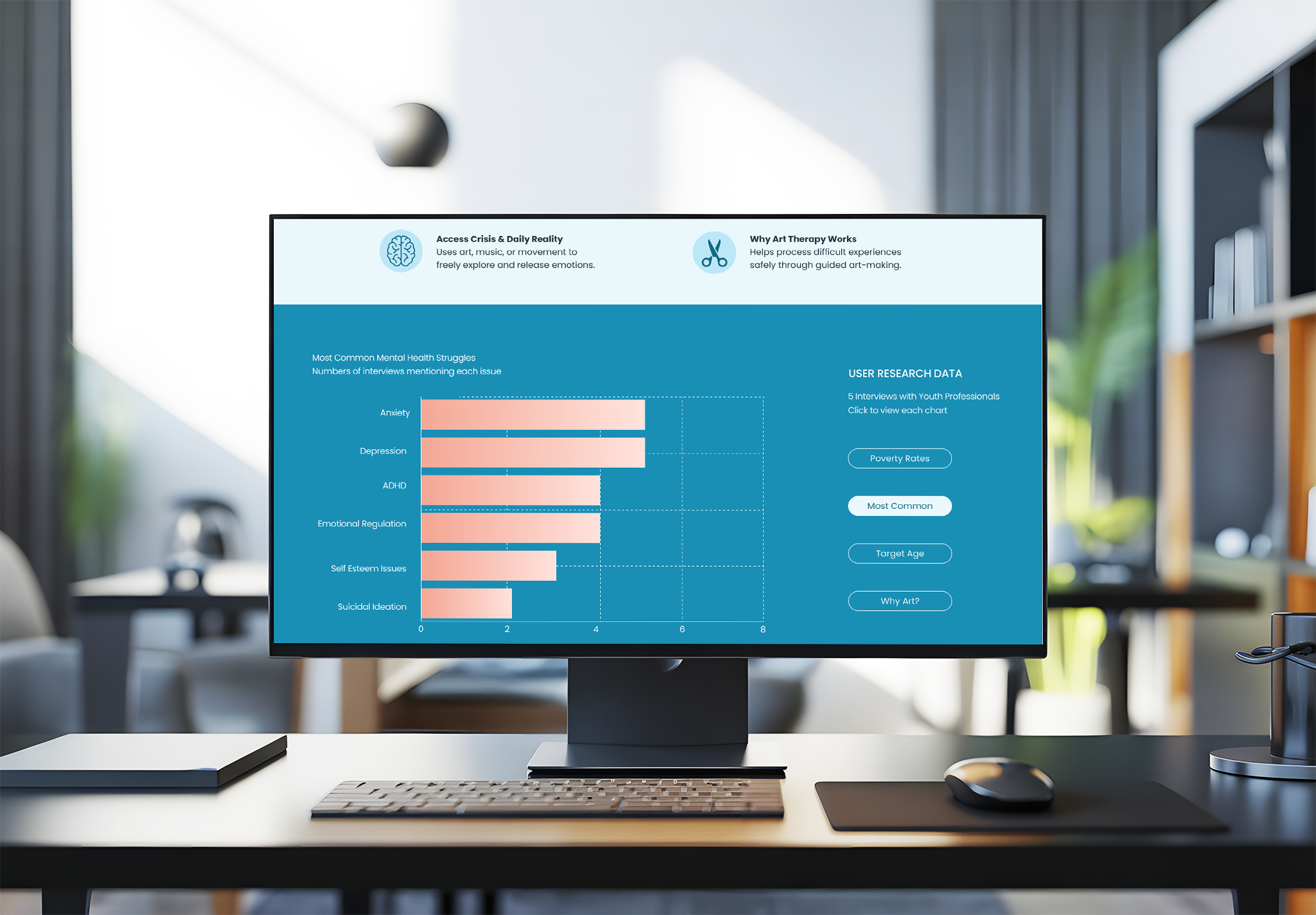
To better understand these challenges, I conducted interviews with professionals working directly with children in high-poverty communities, including nonprofit leaders, trauma-informed facilitators, and mental health practitioners.
These conversations revealed that access to art therapy is not just about materials or cost. Access is shaped by:
Time constraints
Limited training in mental health practices
Fragmented digital tools
Lack of clear guidance for facilitators
These insights reframed accessibility as a structural and systemic issue rather than simply a lack of resources.
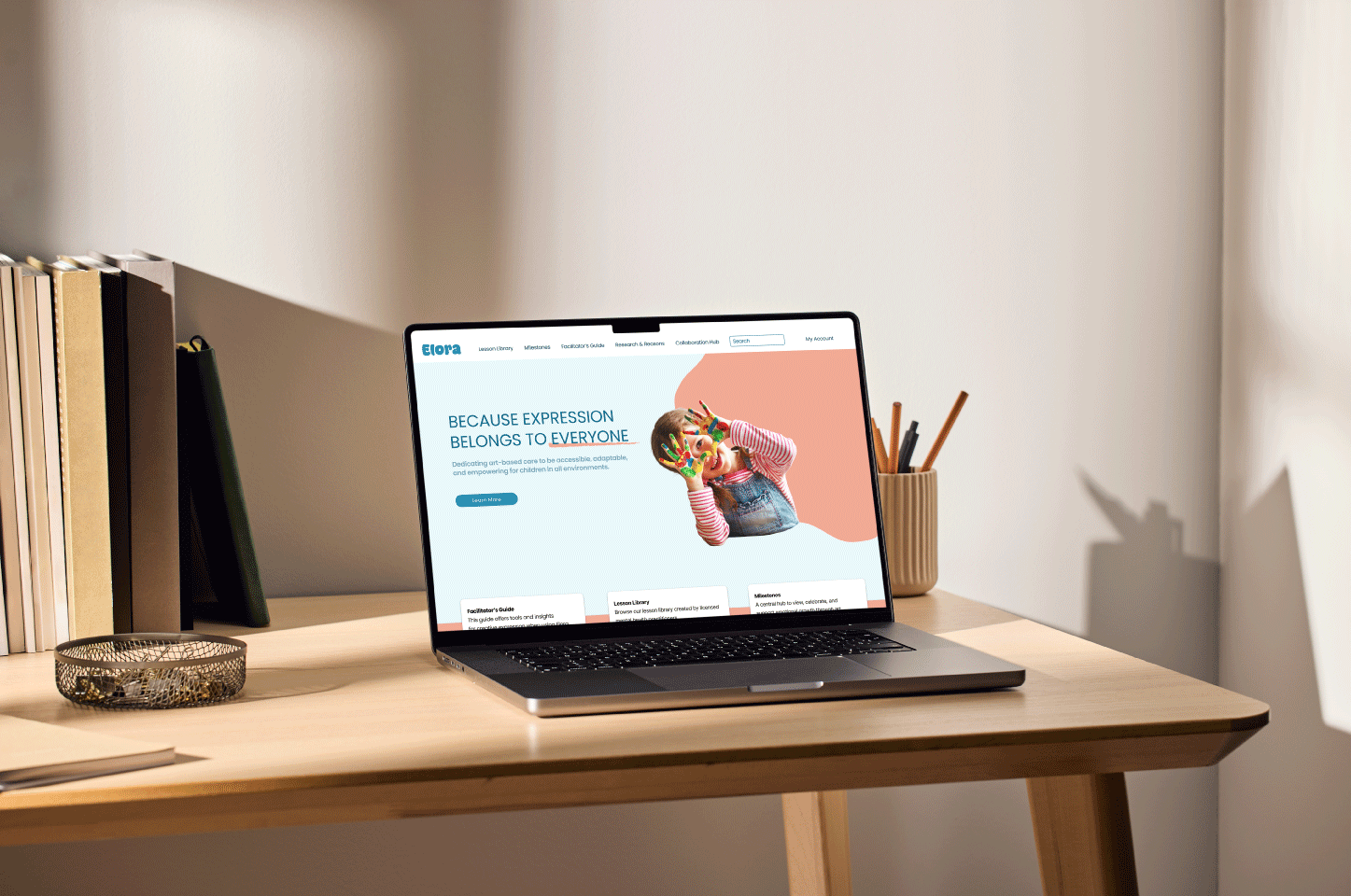
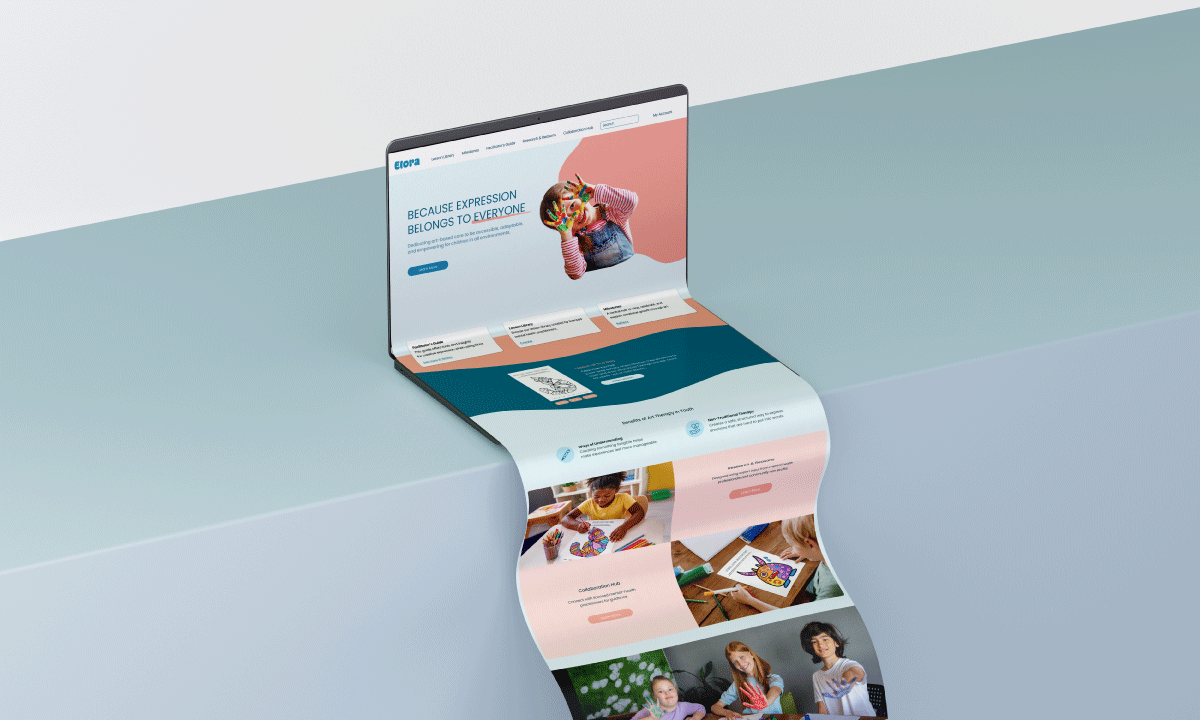
Landing Page
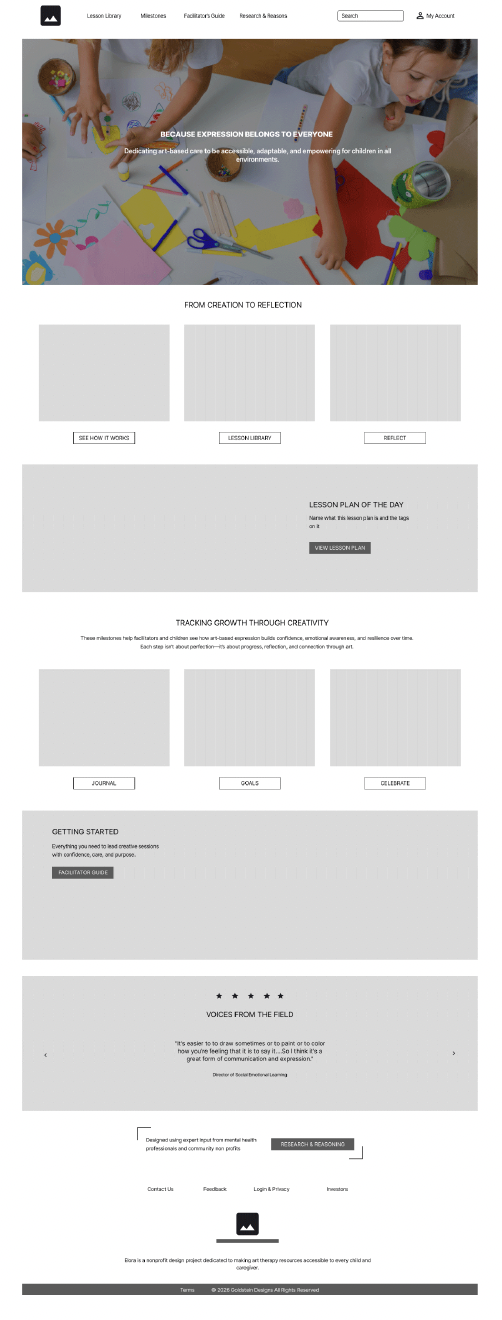
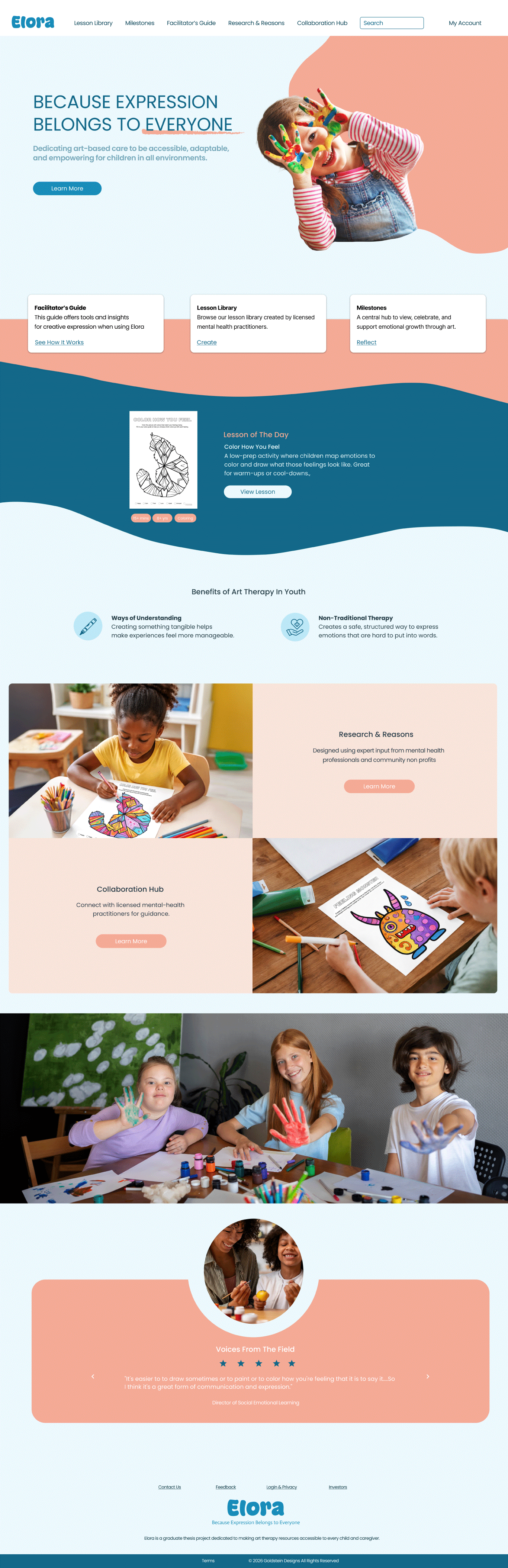
Introduces users to Elora and highlights core platform features. A rotating “Lesson of the Day” encourages engagement while guiding users toward the platform’s main tools.
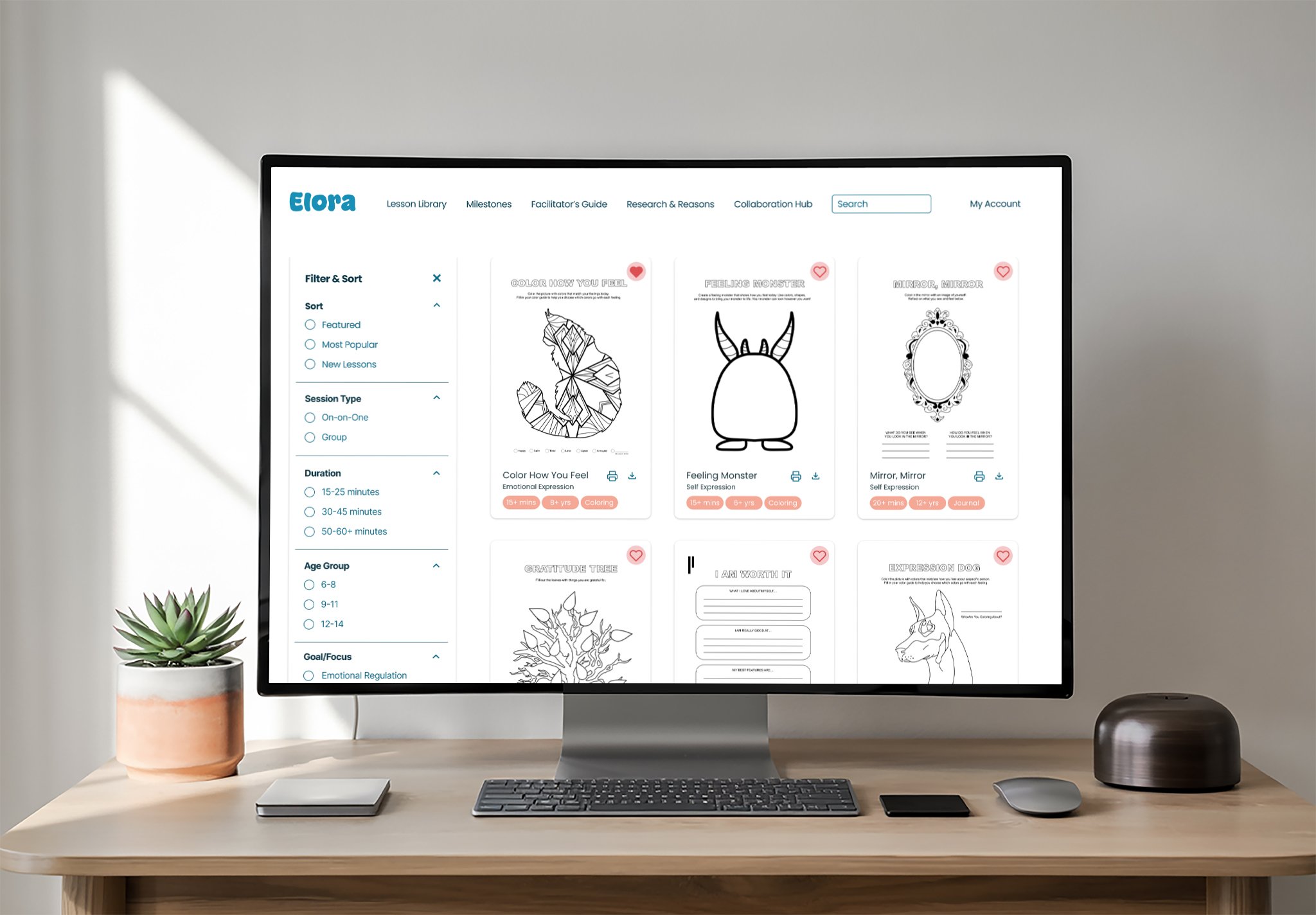
Lesson Library
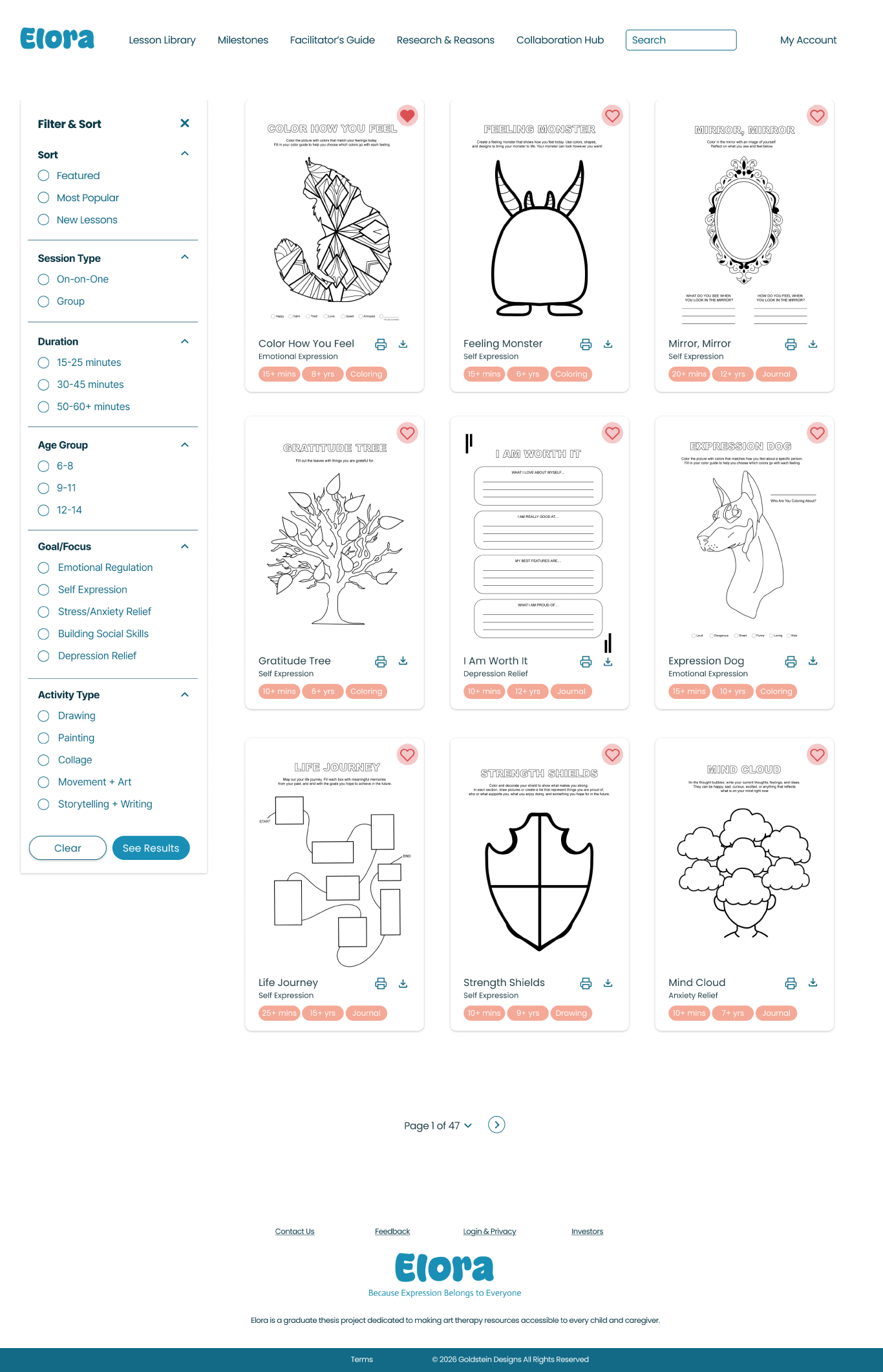
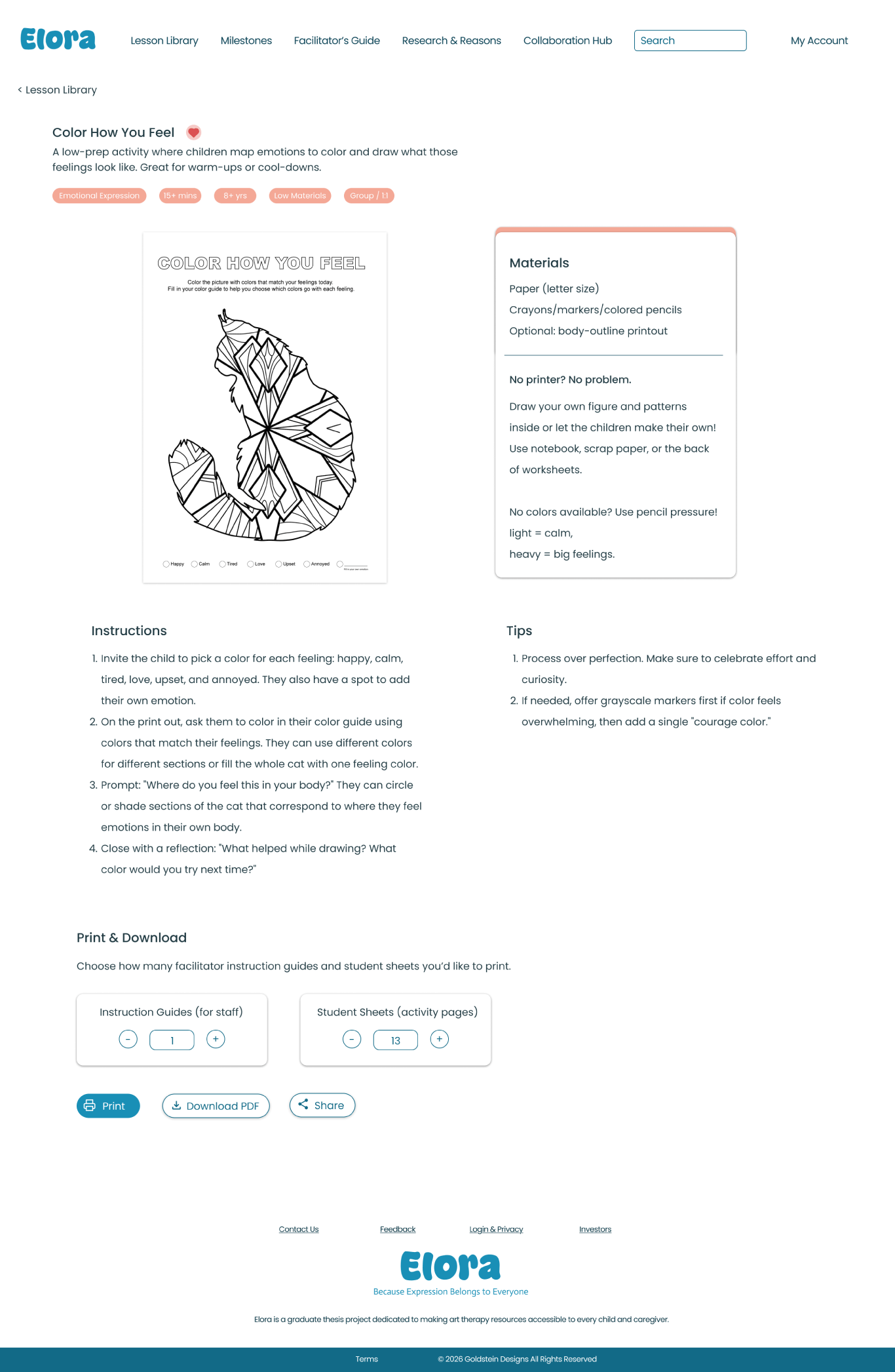
A searchable collection of art therapy lessons created by licensed practitioners. Lessons can be adapted by age, goal, time, and materials, and include instructions, facilitator tips, material substitutions, and printable resources.
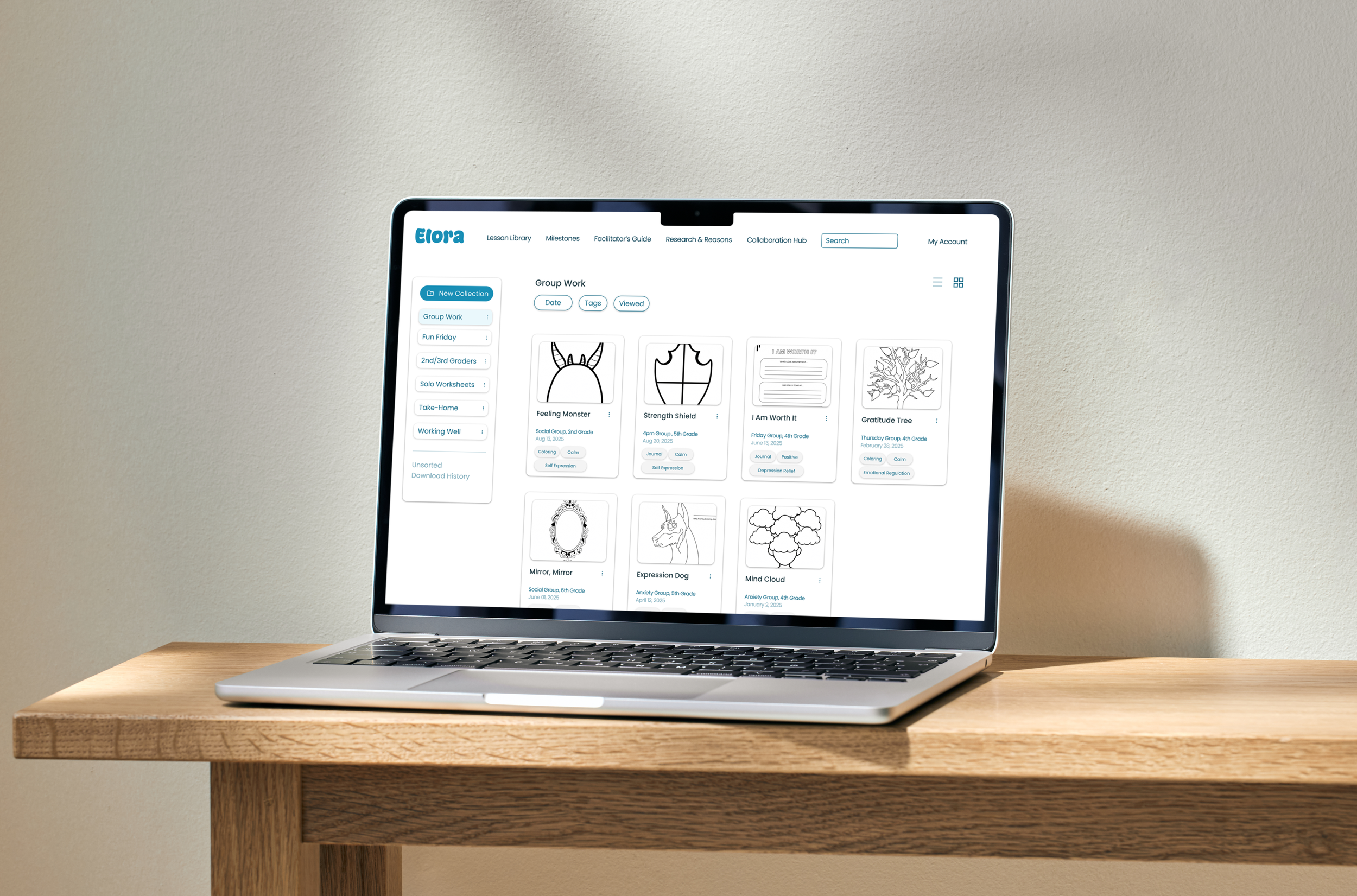
Account History
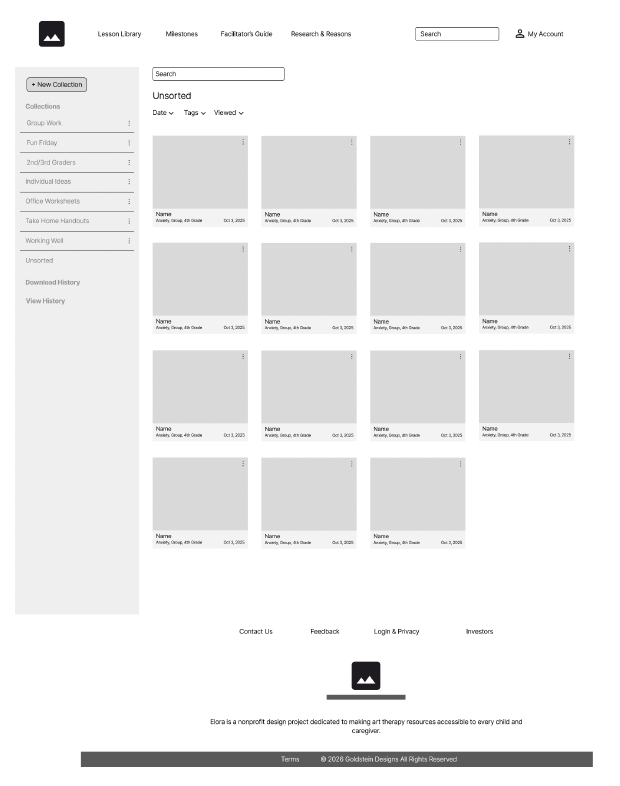
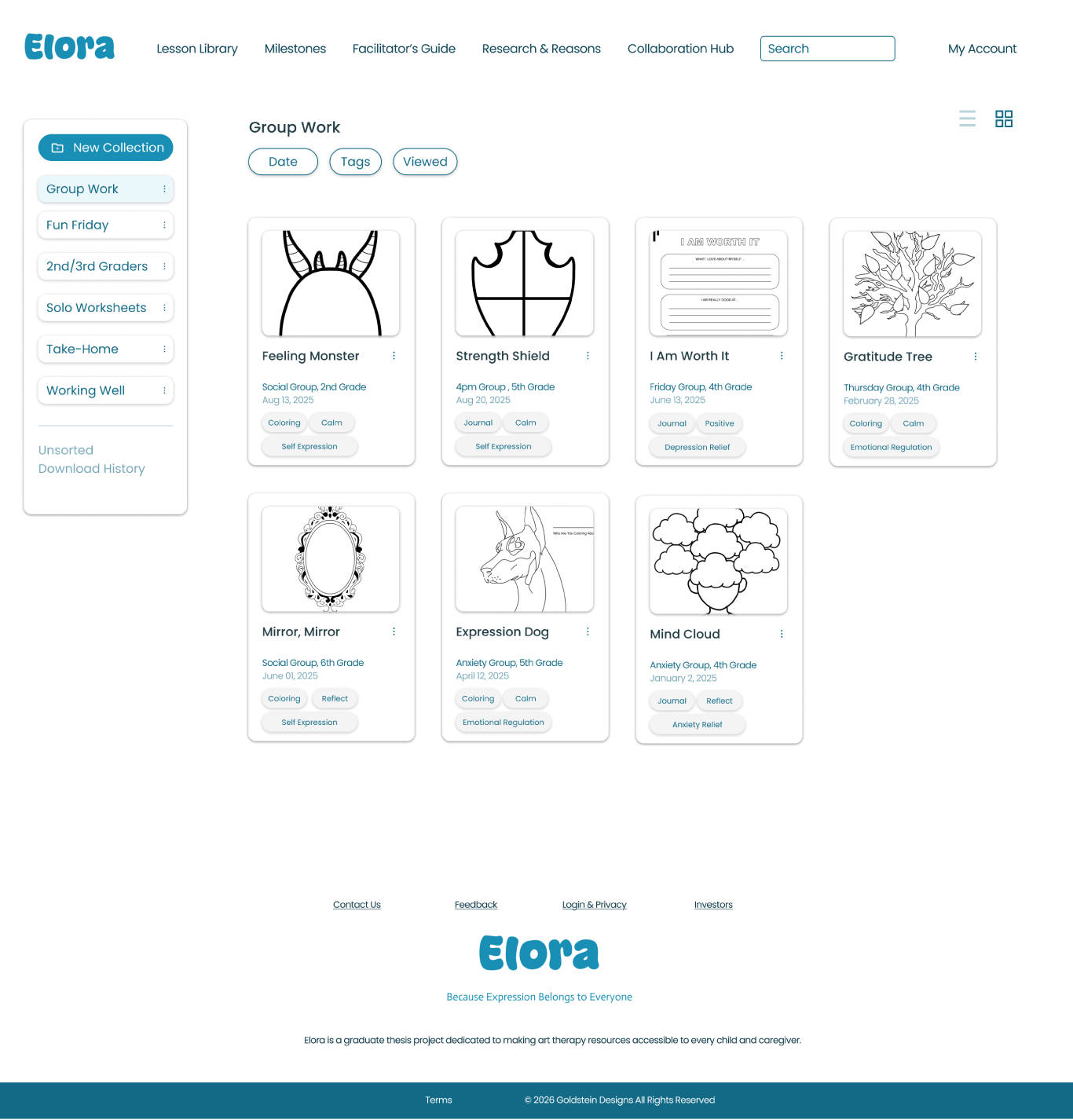
Allows facilitators to save lessons, organize them into folders, and retag activities for easier future access.
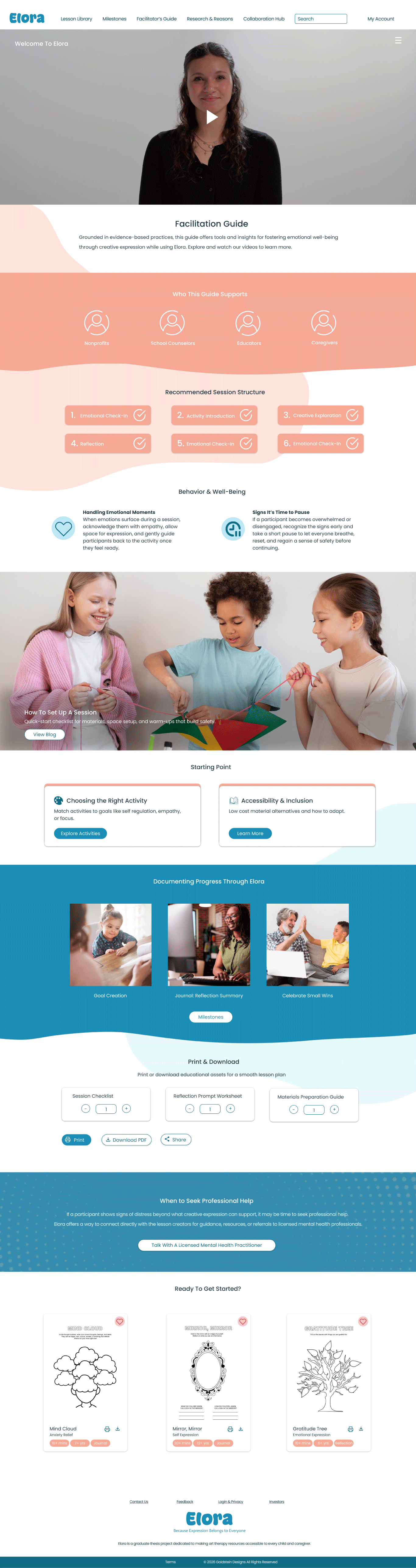
The Facilitator Guide includes an optional training module designed to help facilitators feel confident and prepared to use Elora. This video, “Welcome to Elora,” serves as the introduction to the module and provides an overview of the platform, its goals, and how facilitators can navigate its tools and resources.
Facilitator Guide
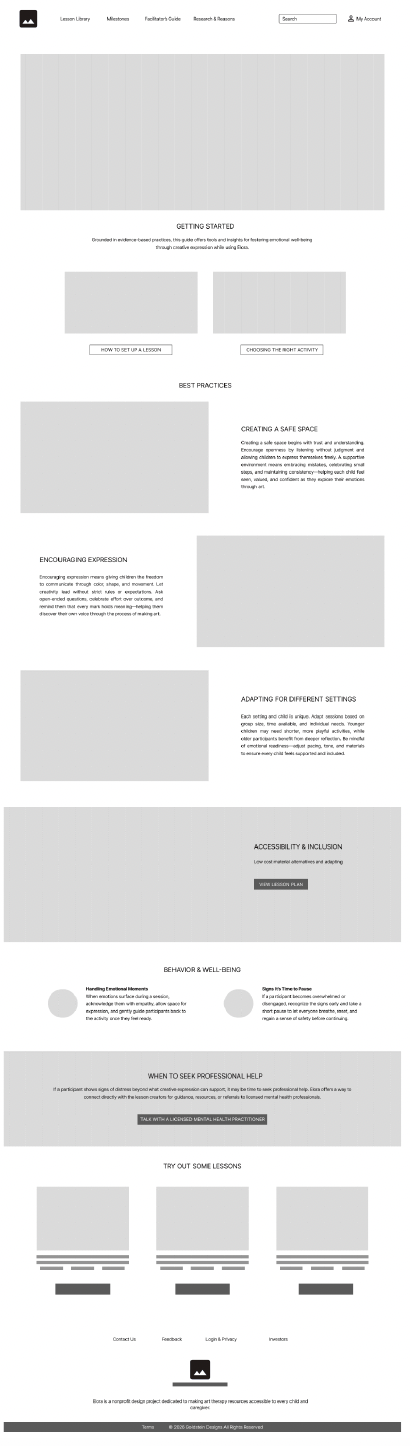
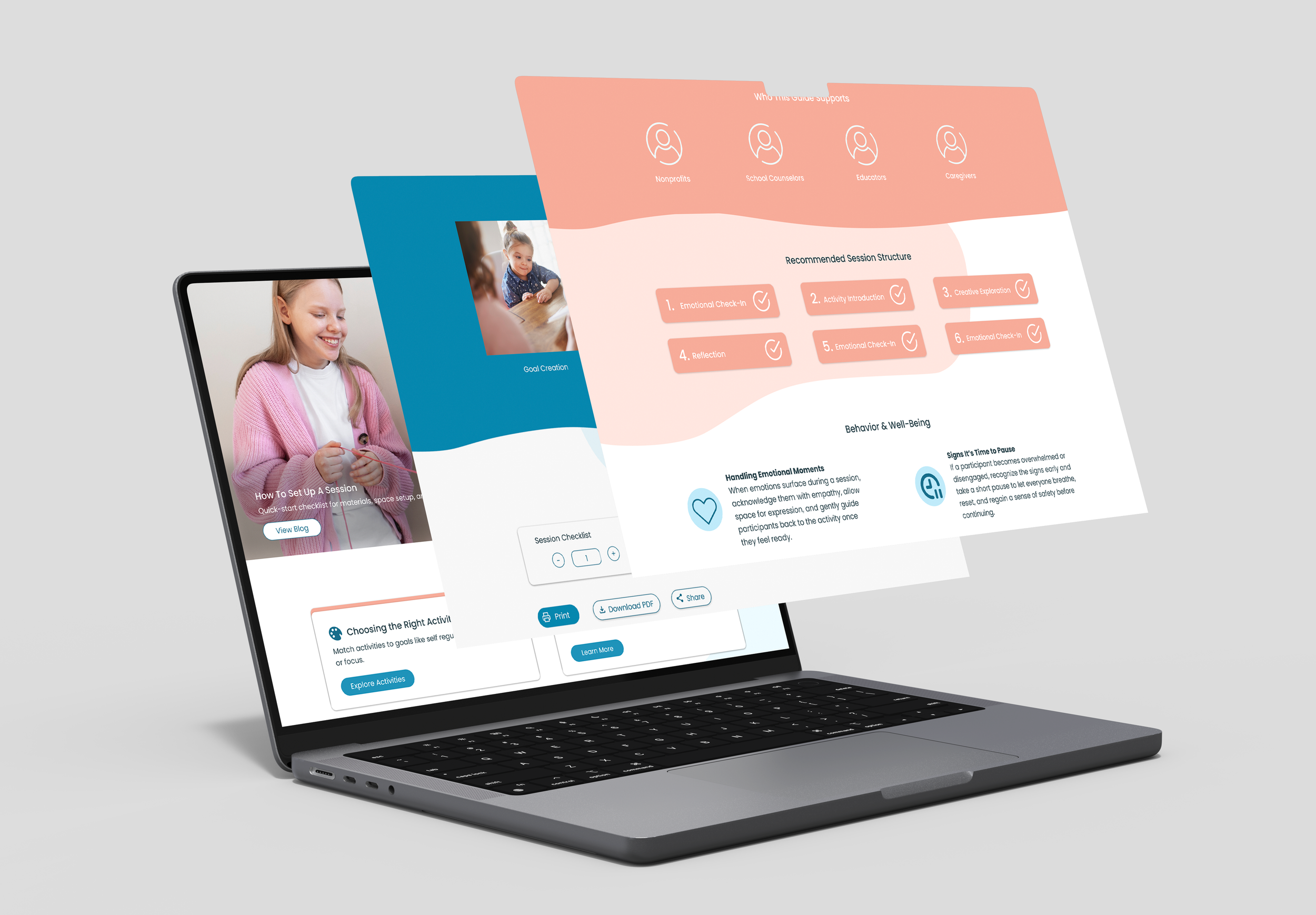
The Facilitator Guide provides structured support to help facilitators confidently implement art therapy activities. The guide includes training modules, step-by-step facilitation guidance, adaptable prompts, and printable materials that help facilitators prepare for and lead sessions effectively.
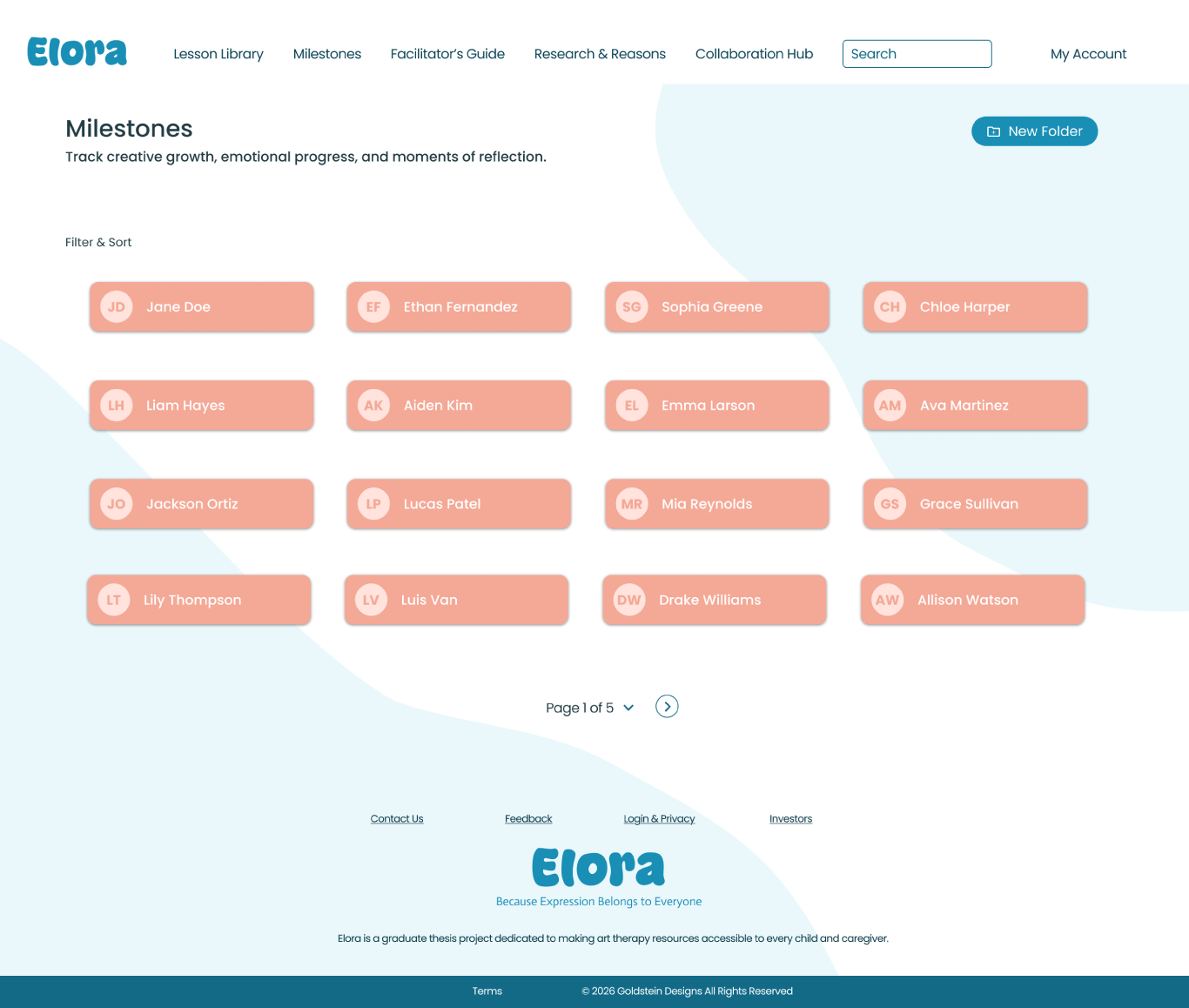
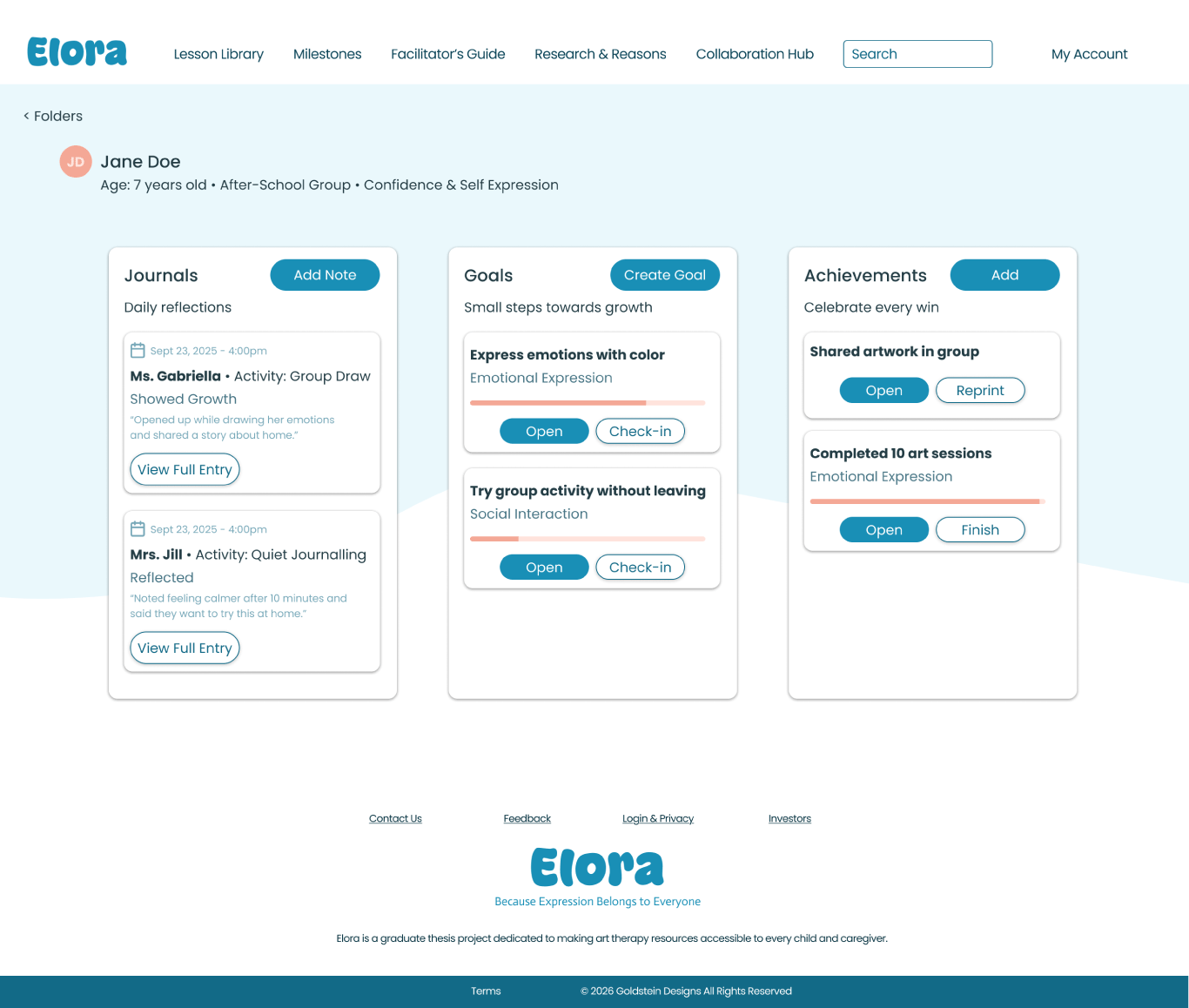
Milestones: Dashboards
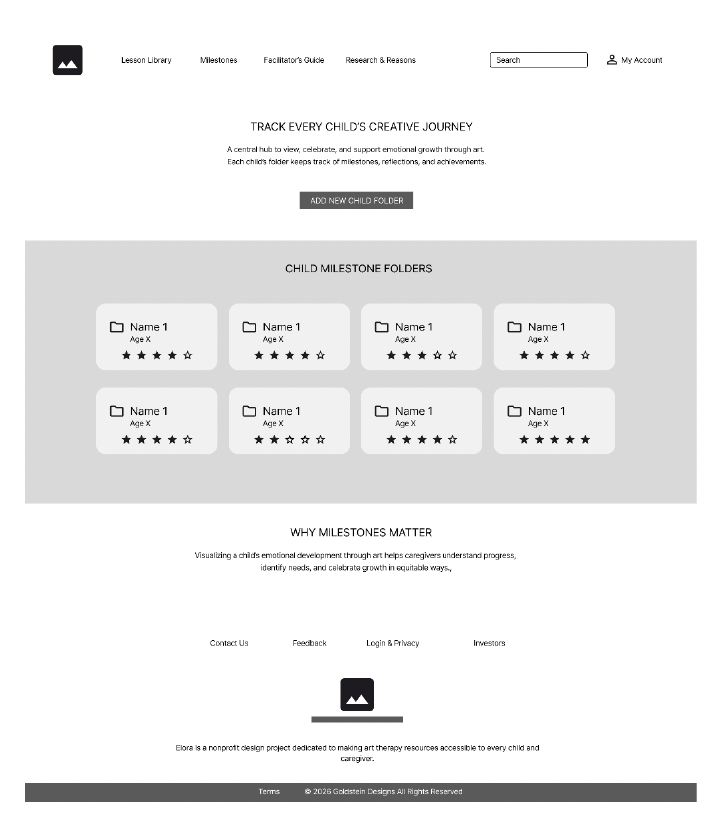
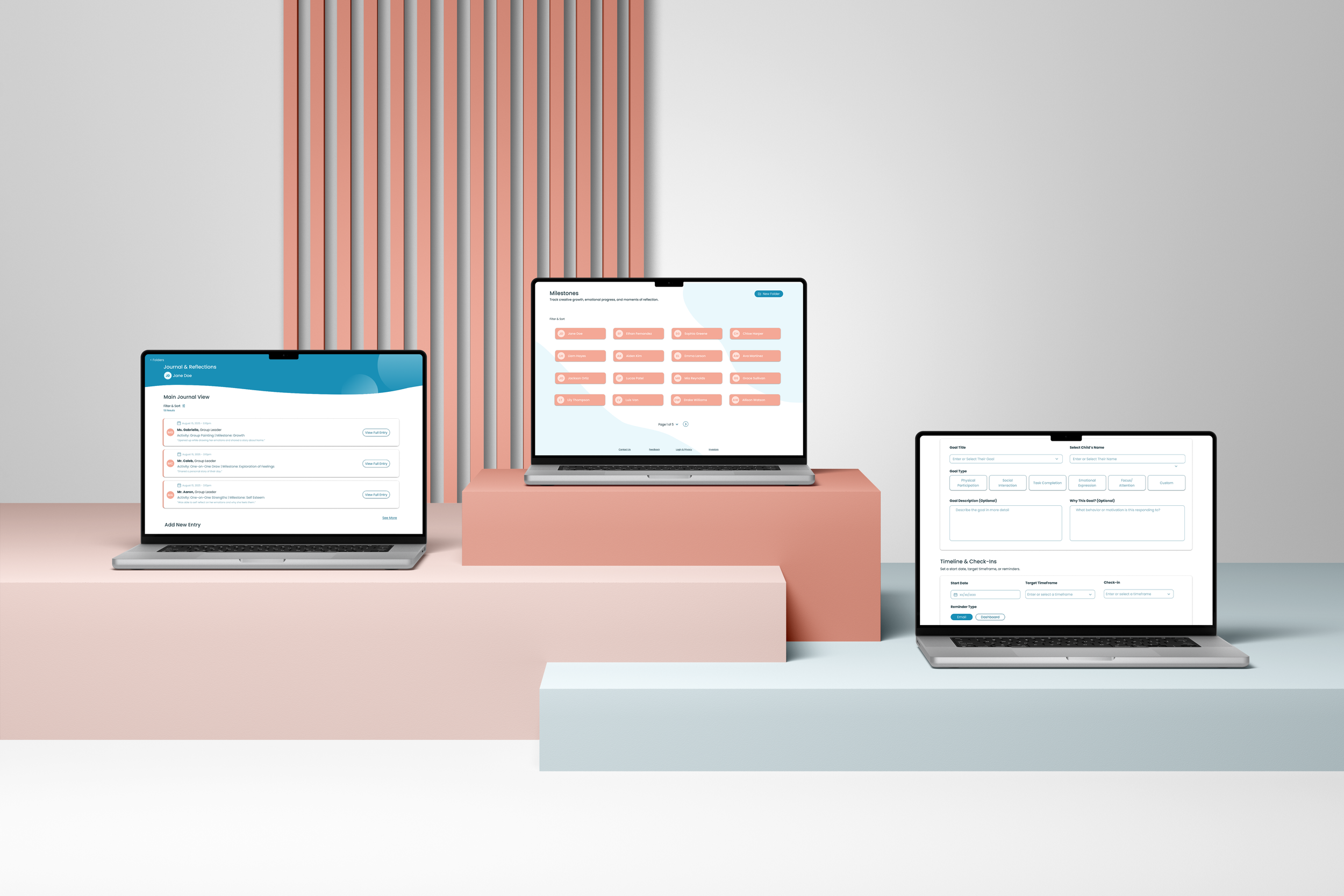
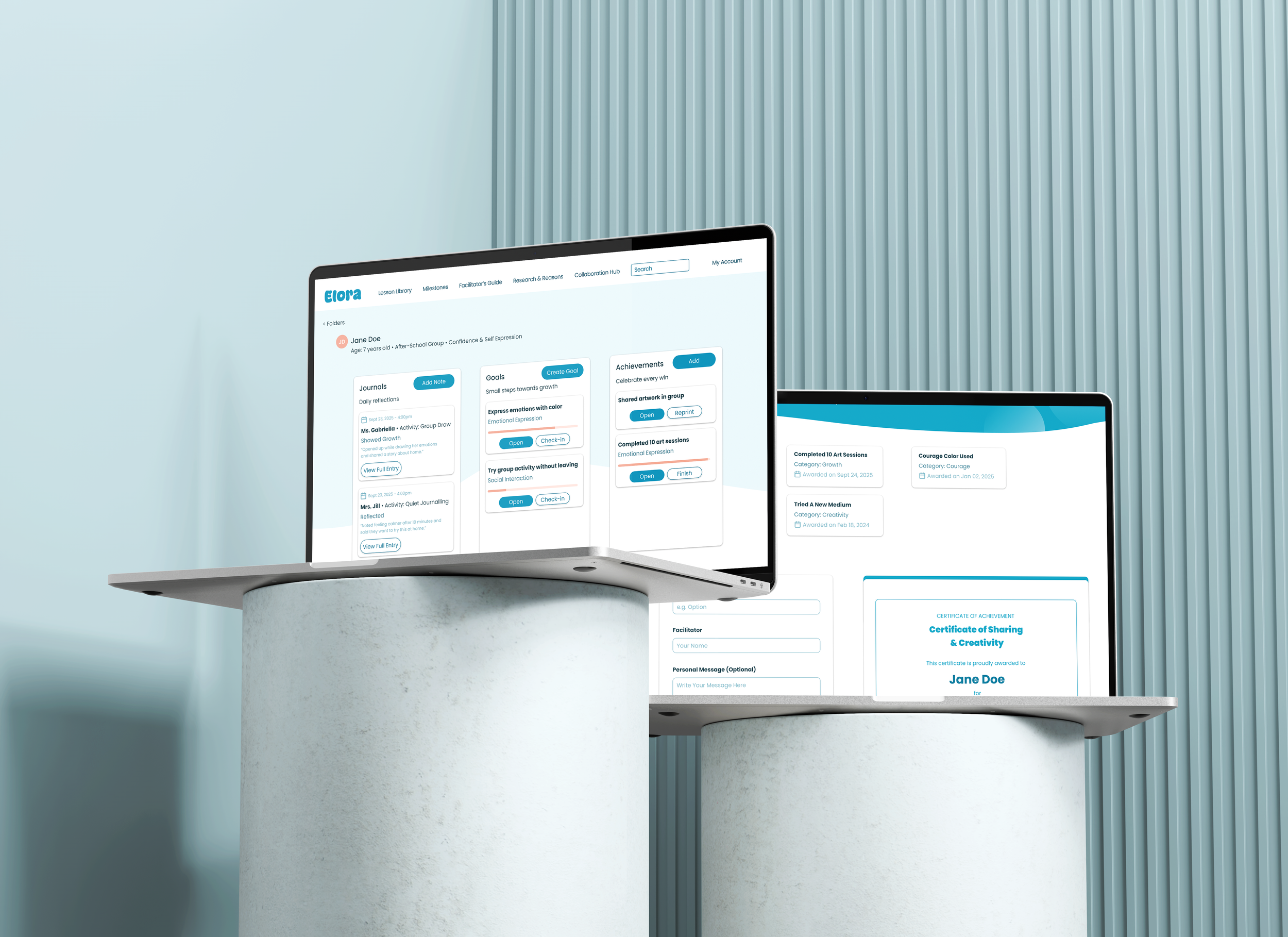
An overview of children in a facilitator’s group, organizing documentation and progress in one central location (left.) The selected Student Dashboard (right) shows an individual child’s journals, goals, and celebrations, allowing facilitators to document growth and reflections.
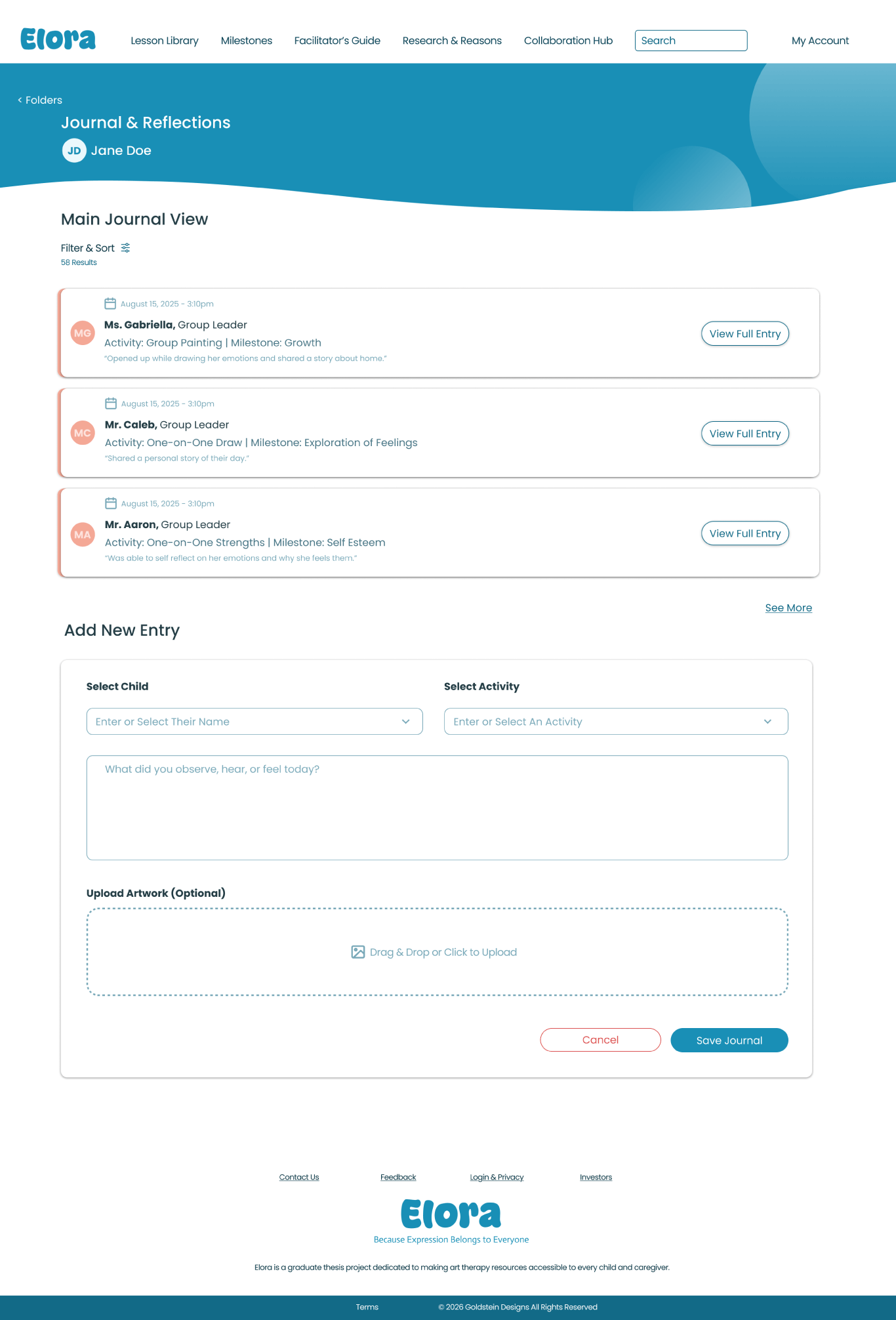
Milestones: Journal Entry
Journal entries allow facilitators to document observations after each session. Instead of formal evaluation, facilitators record reflections on participation, emotional responses, and notable moments during the activity. This creates a running record of growth while keeping the focus on supportive observation rather than assessment.
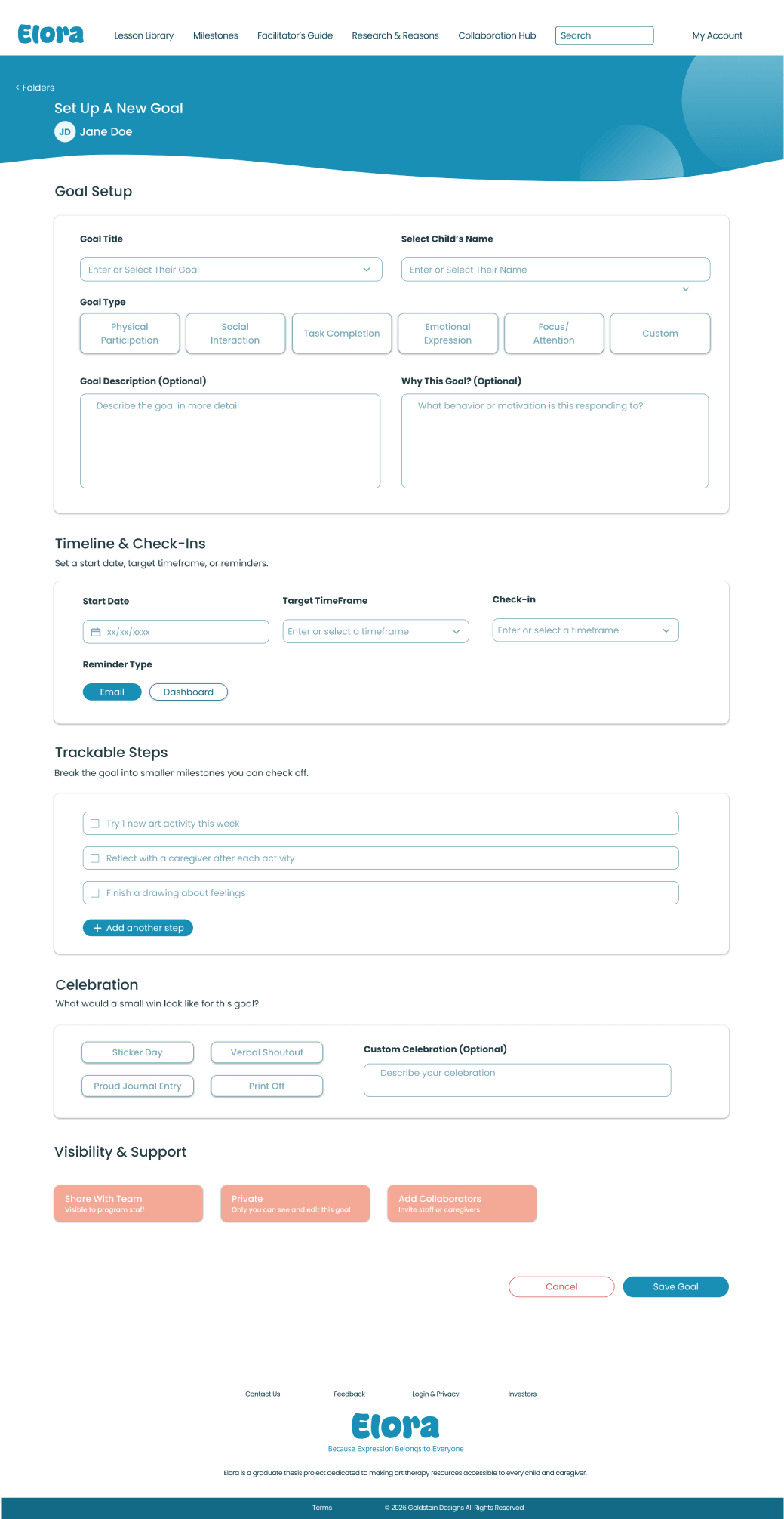
Milestones: Goal Entry
Goal entries allow facilitators to set small, supportive goals with children related to emotional expression, participation, or confidence. Goals are meant to be flexible and personalized rather than performance-based, helping track gradual development over time.
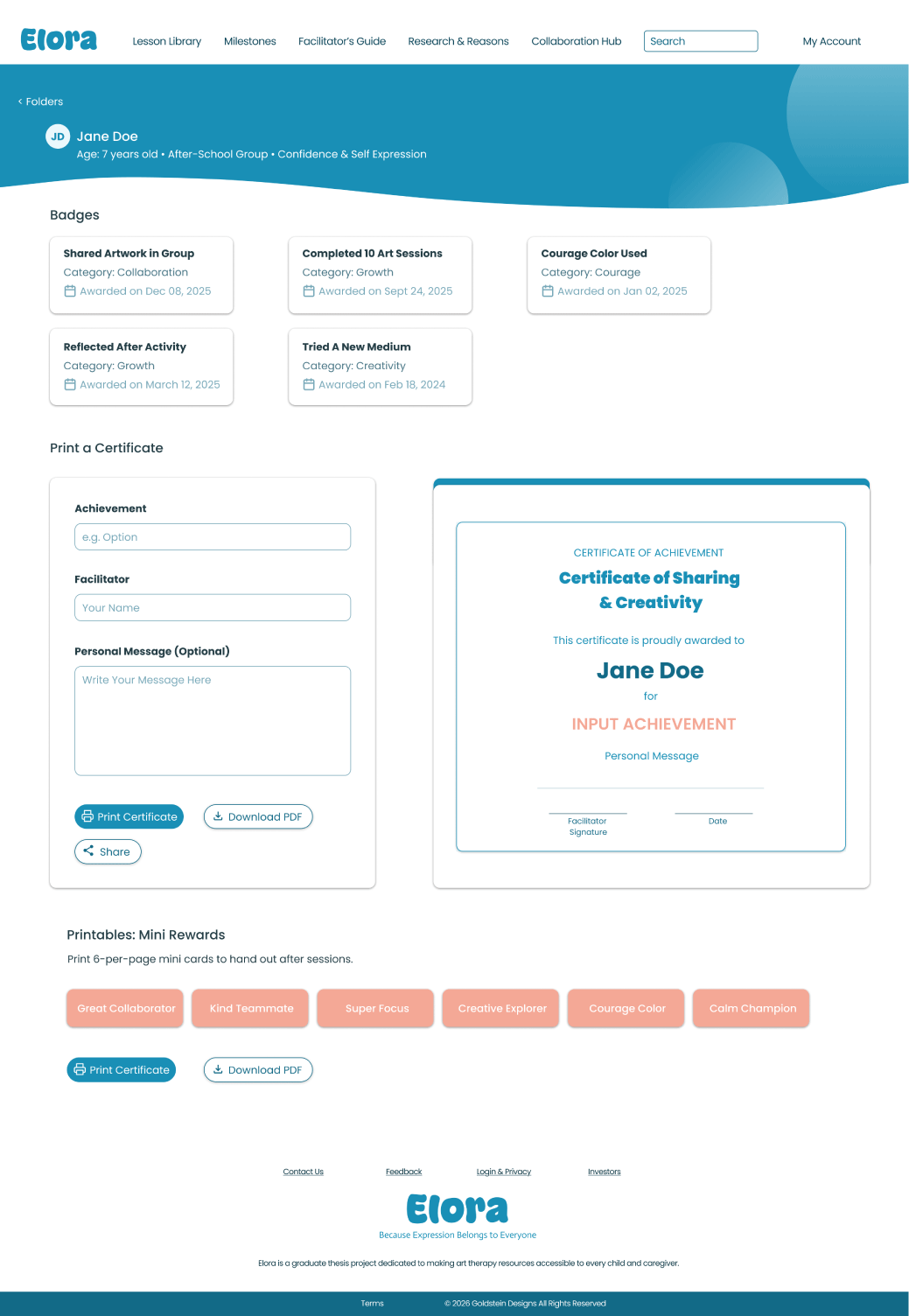
Milestones: Celebration
Celebrations recognize meaningful milestones and achievements throughout a child’s participation in the program. Facilitators can generate printable certificates or acknowledgments that reinforce positive growth and encourage continued engagement in creative expression.
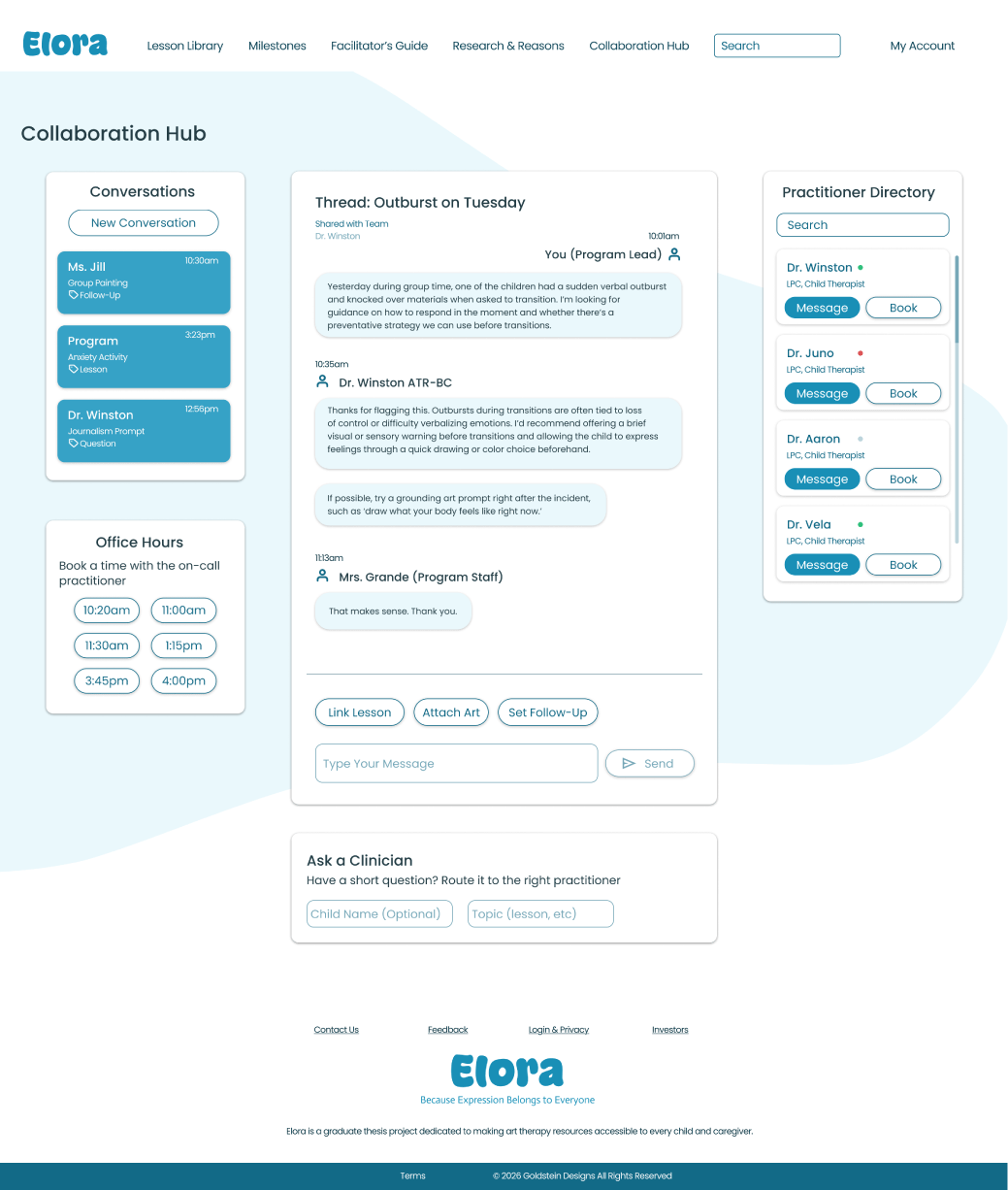
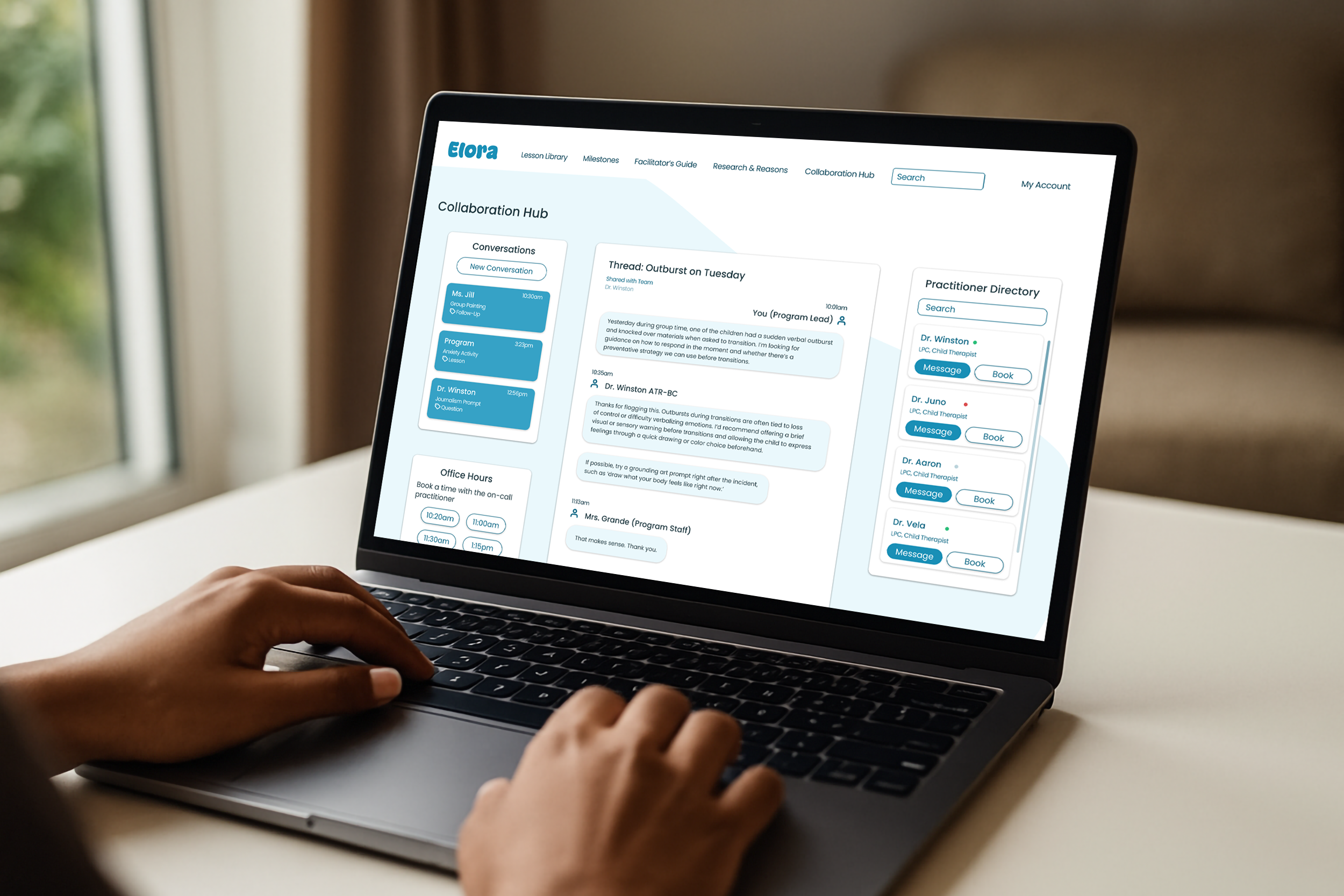
Collaboration Hub
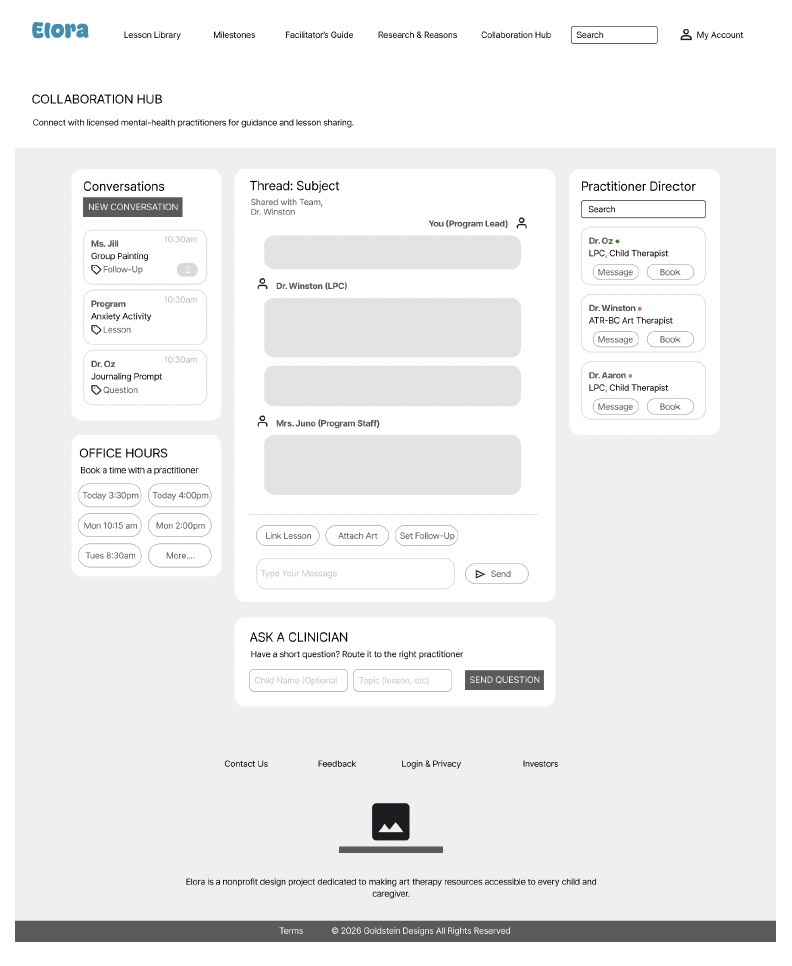
Allows facilitators to communicate directly with licensed mental health practitioners for guidance and support.
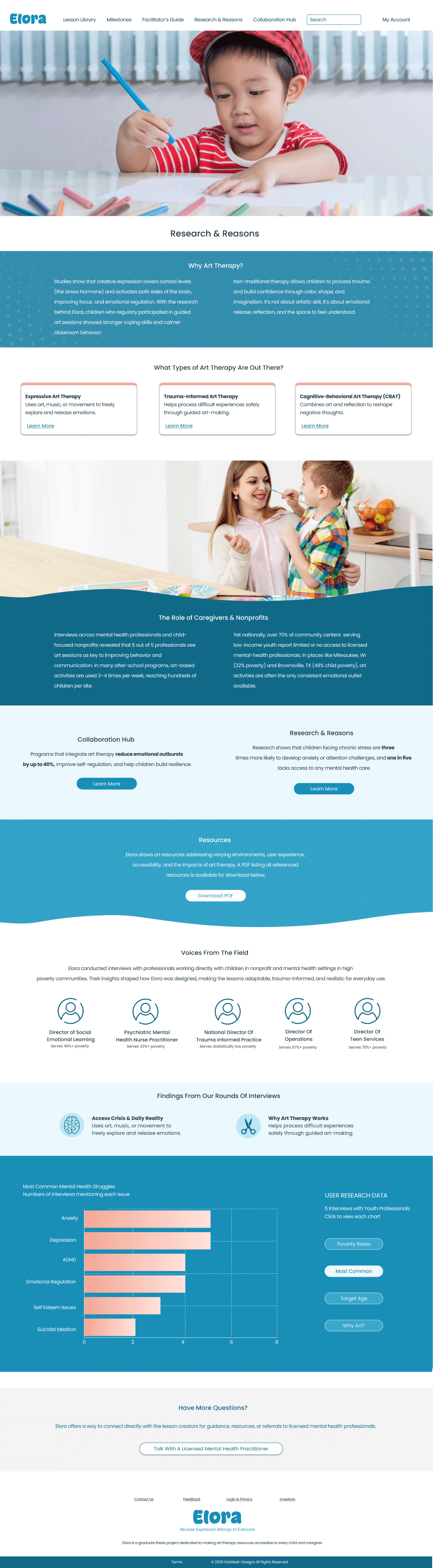
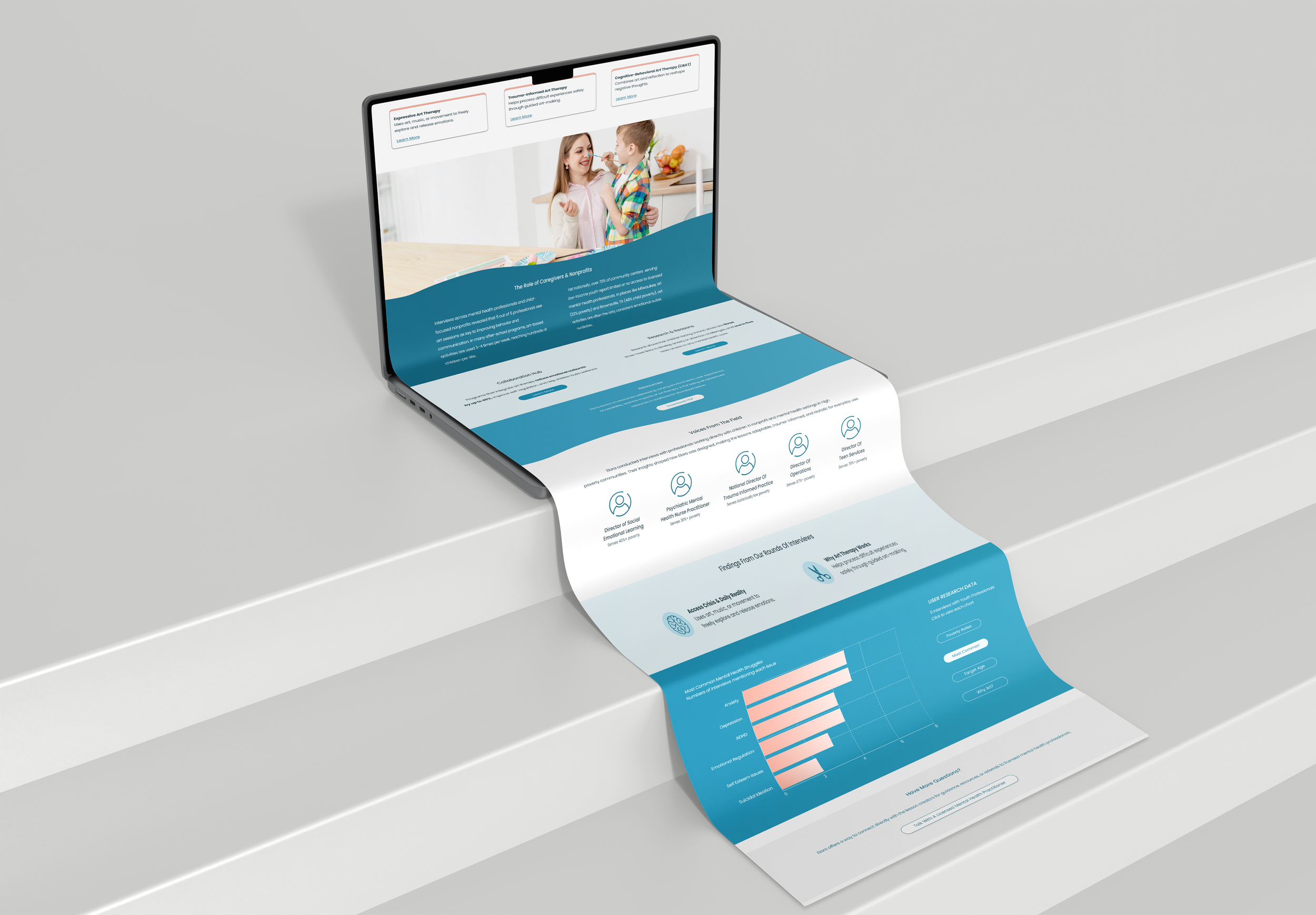
Research & Reasons
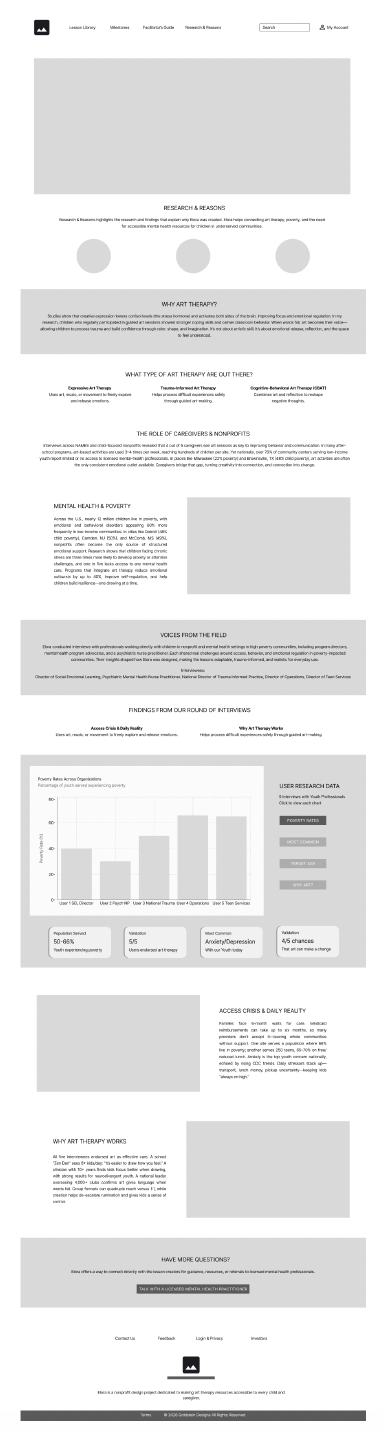
Presents the research foundation behind Elora, including interview insights and literature that informed the platform design.
Design Process
Stakholder Interviews
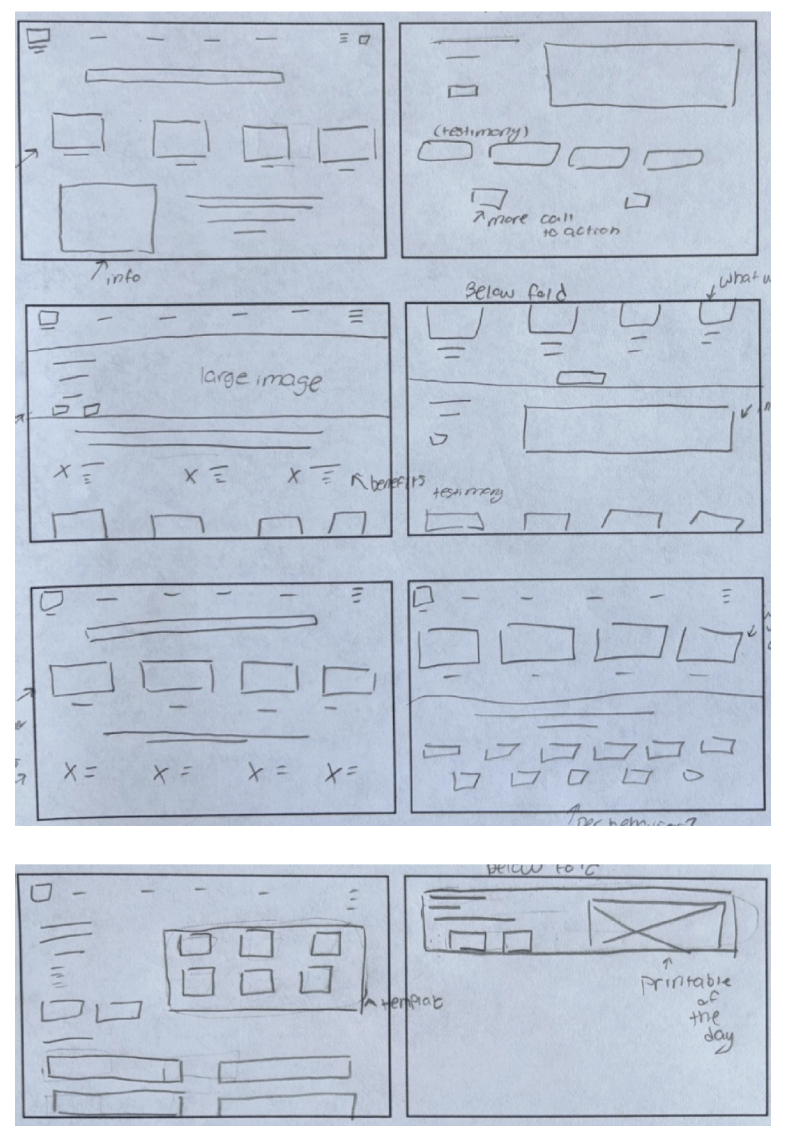
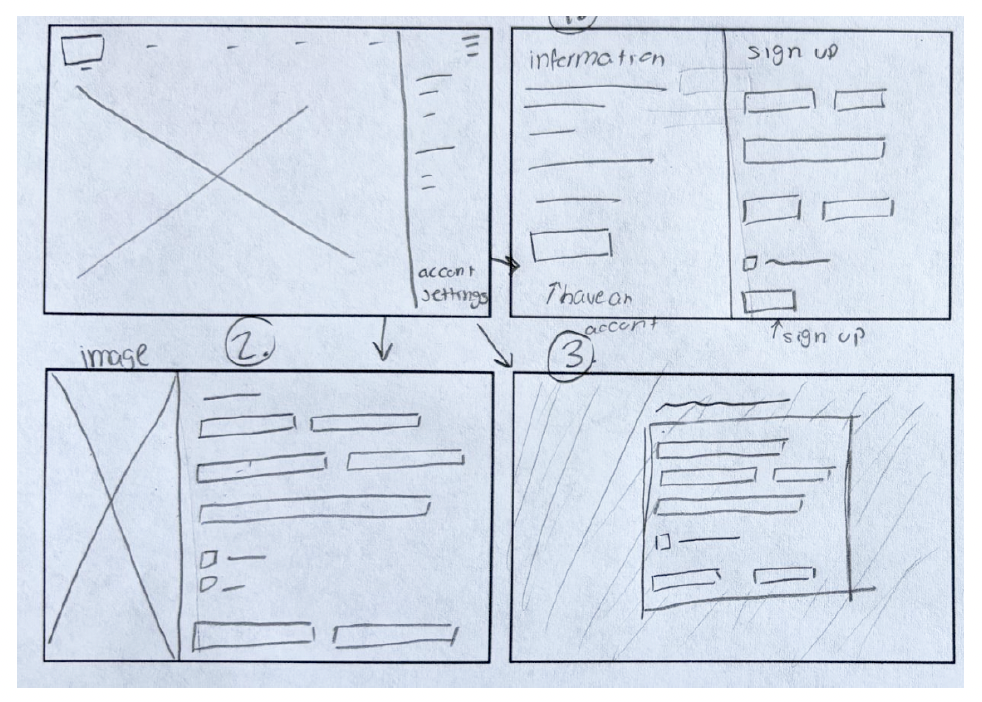
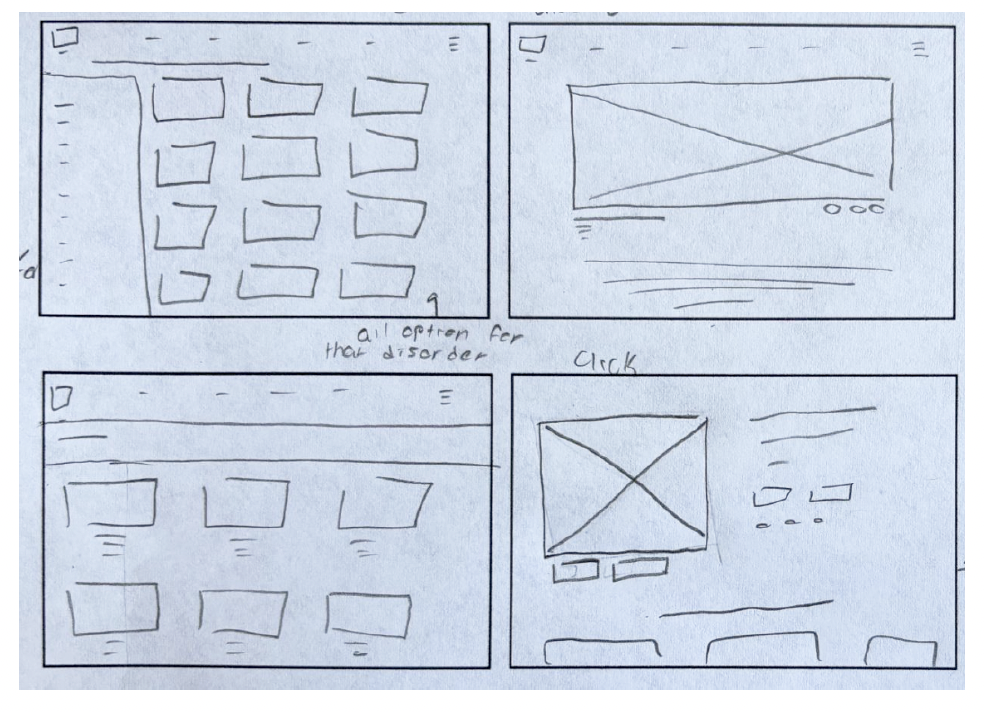
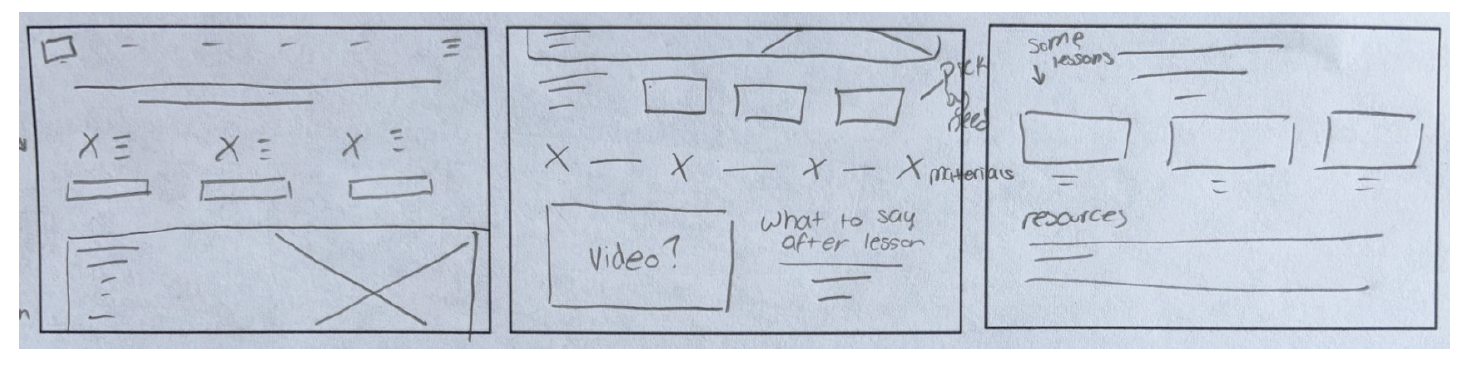
Sketches
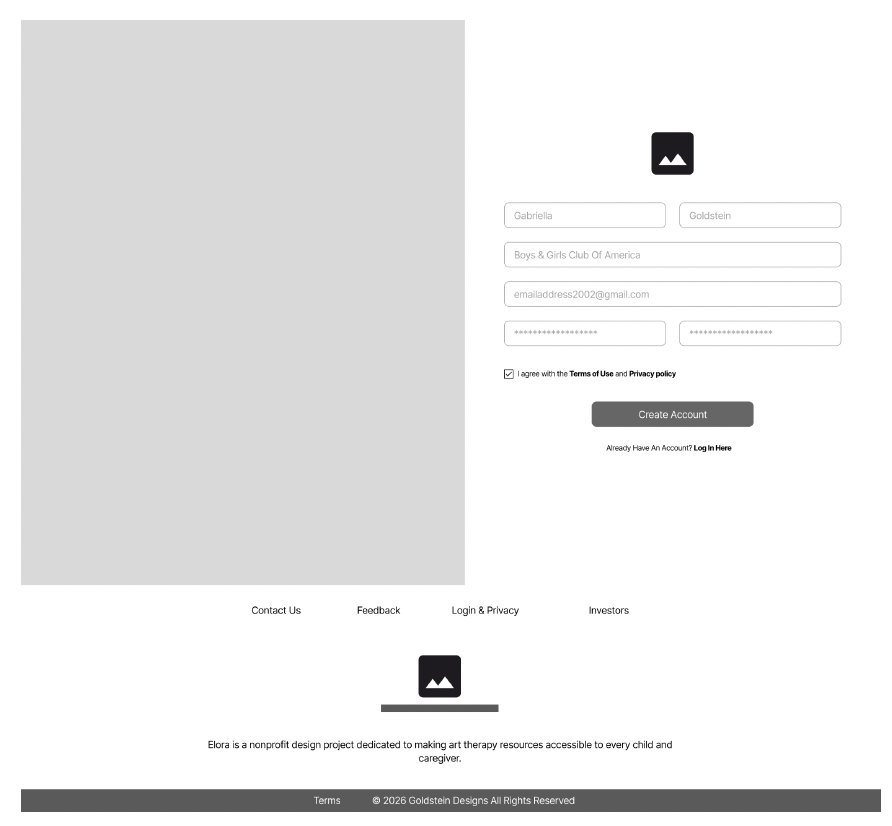
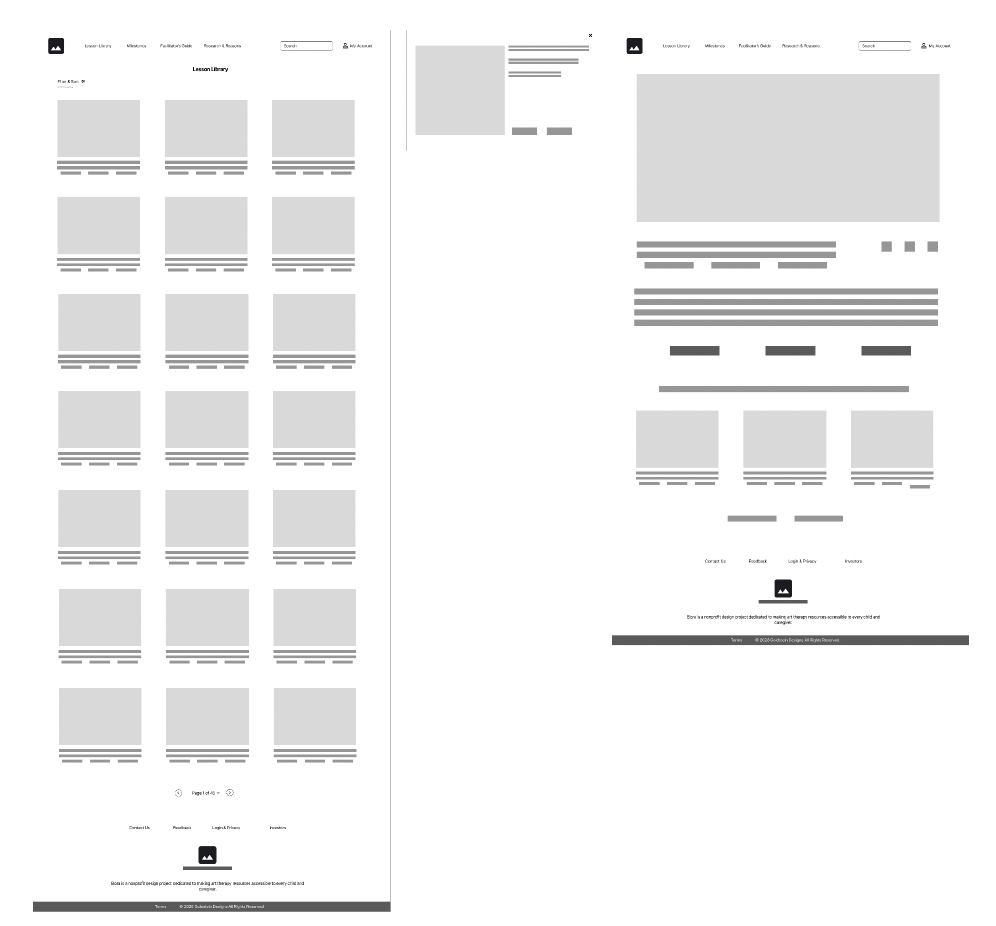
Lo-Fidelity Wireframes
Mid-Fidelity Wireframes