

Branding with Constraints
In this intermediate branding project, students develop a full visual identity while working within strict creative limitations. The goal is to demonstrate that constraints do not limit creativity, they sharpen it. Students move from research to conceptual exploration to refined brand systems, building both strategic thinking and execution skills.
Course: Graphic Design Studio II
Tools: Adobe Illustrator



Phase 1: Strategy & Research
Students begin by developing a fictional company complete with a mission statement, vision statement, defined target audience, and unique positioning. They analyze ten industry competitors to understand visual trends, gaps, and differentiation opportunities, then build a research-driven mind map to guide their direction.
Phase 2: Constraint-Driven Exploration
Students select one structured constraint system (Minimalist, Geometric, Dynamic, or Experimental with set color ranges) and begin extensive visual exploration. They produce 60 logo sketches to push beyond first ideas and explore multiple formal directions while strictly adhering to their chosen limitations. By designing within boundaries, they learn adaptability, formal control, and conceptual resilience.
Phase 3: Constraint-Based Concept Development
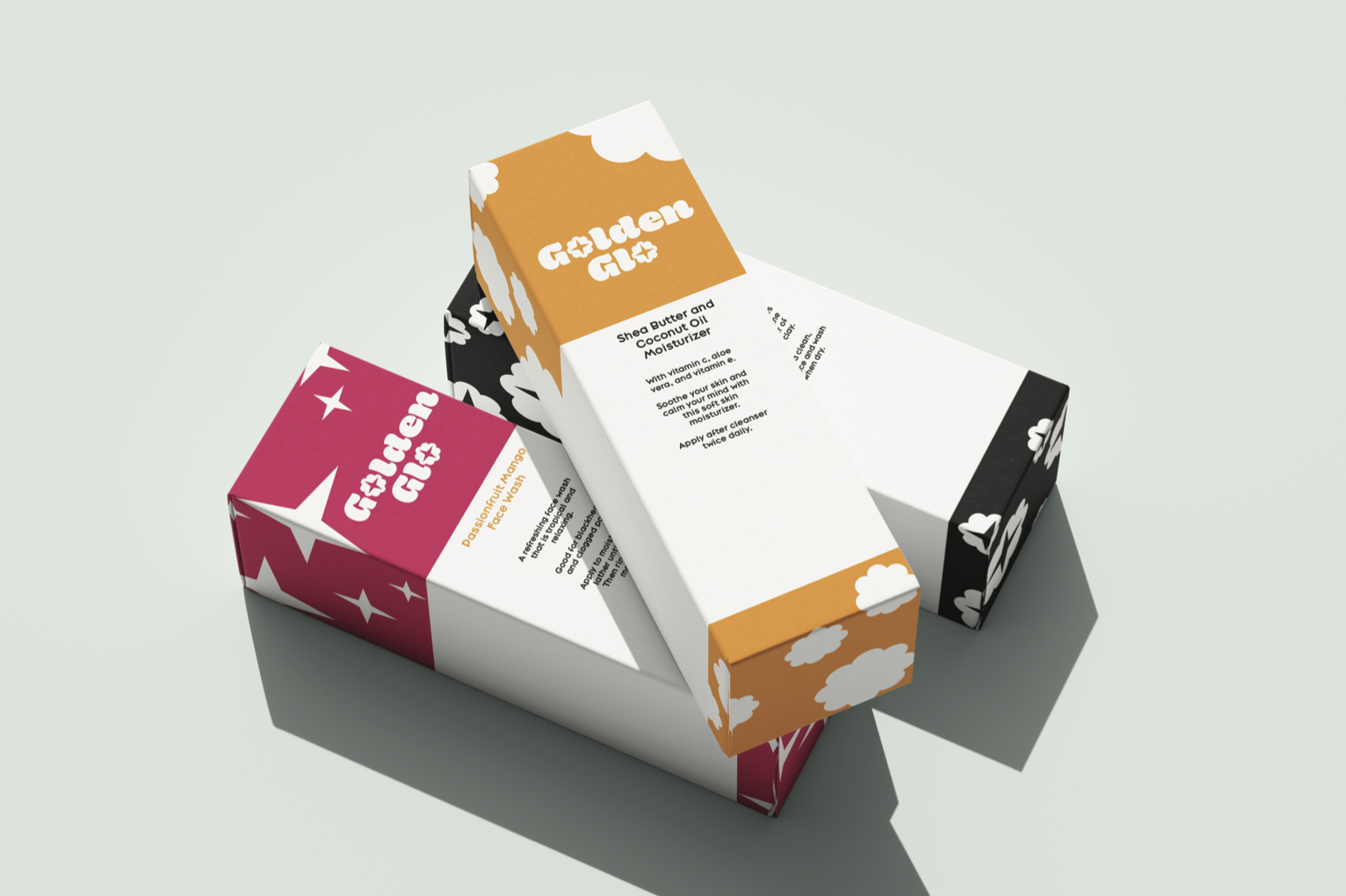
After critique, students refine one primary logo direction and develop a complete identity system including variations and an icon only mark. They extend the brand into real-world applications such as packaging, merchandise, digital branding, and stationery, culminating in a cohesive brand guidelines document.
This final phase shifts the focus from designing a logo to designing a scalable visual system, which helps prepare students to think beyond isolated marks and toward professional brand ecosystems.
Learning Outcomes
By the end of this project, students are able to:
Develop a strategic brand foundation grounded in mission, vision, audience definition, and competitive research.
Generate a high volume of concept sketches and move beyond initial ideas through disciplined exploration.
Design within structured formal constraints while maintaining conceptual clarity and visual cohesion.
Translate a single logo mark into a scalable identity system with variations and real-world applications.
Articulate and defend branding decisions using strategic, formal, and audience-centered reasoning.