

From Research to Symbol
This project builds on foundational form studies and introduces symbol design within real-world contexts. Students explore how abstract visual language can communicate complex social, environmental, or economic ideas through research-driven symbolism.
The emphasis shifts from exploring form alone to designing symbols that are meaningful, intentional, and rhetorically aware.
Course: Graphic Design Studio II
Tools: Adobe Illustrator



Phase 1: Research & Concept Expansion
Students select a socially or environmentally focused genre and conduct structured research on five existing companies within that space. They analyze visual attributes, brand positioning, color usage, and symbolic language to understand how meaning is constructed in professional contexts. Research is expanded through mind mapping to generate conceptual directions.
This phase reinforces that symbol design begins with context. Students learn to ground visual decisions in research, genre awareness, and strategic positioning rather than intuition alone.
Phase 2: Symbol Development & Iteration
Students generate 40 logo sketches informed by their research and conceptual mapping. From these explorations, they build a symbol matrix to test three selected directions across various contexts. They then refine three digital logo concepts in Illustrator for critique.
This stage emphasizes abstraction as communication. Students experiment with visual rhetoric strategies such as metaphor, puns, and irony while learning to evaluate their symbols through systematic testing and iteration.
Phase 3: Application & Identity Refinement
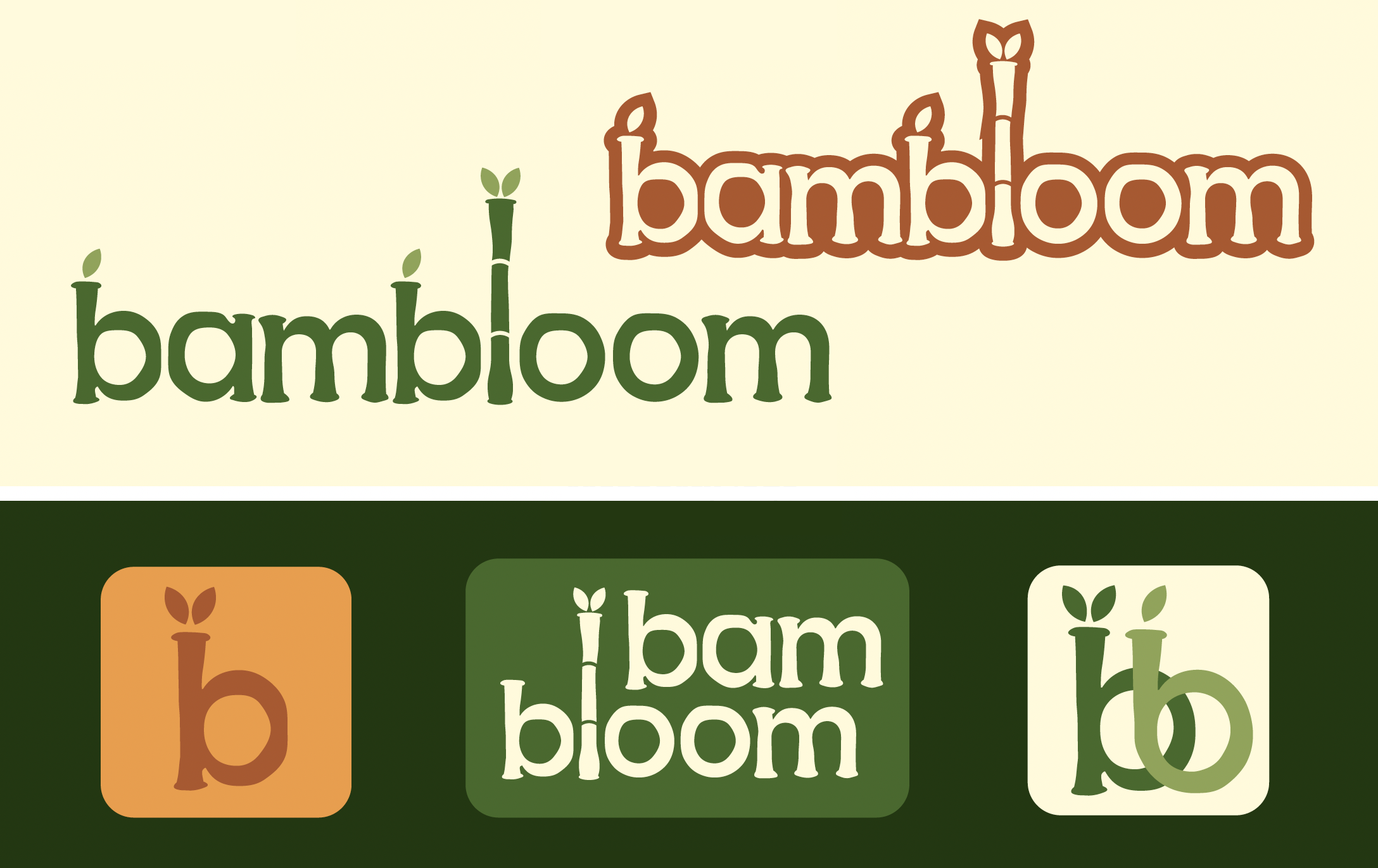
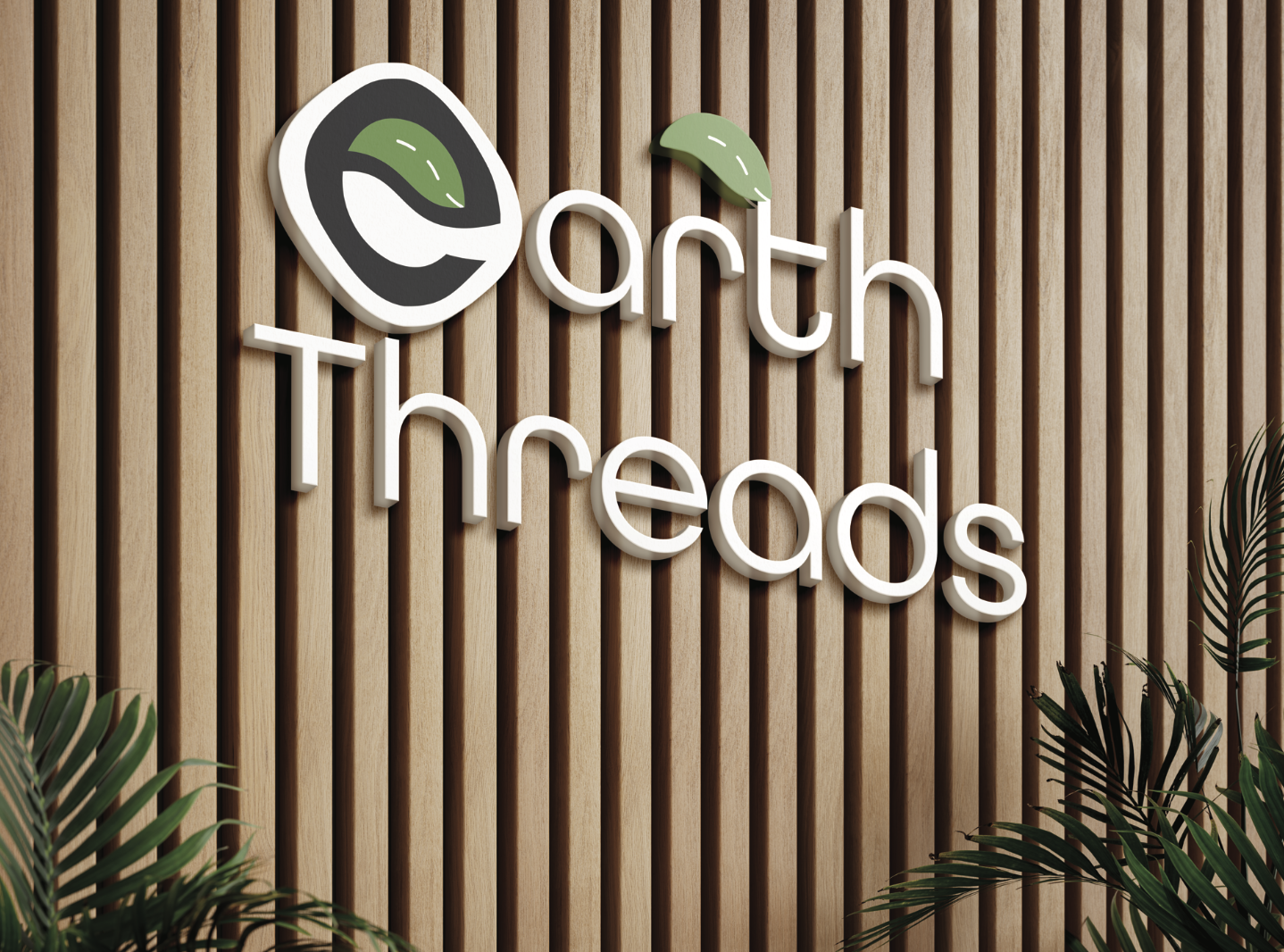
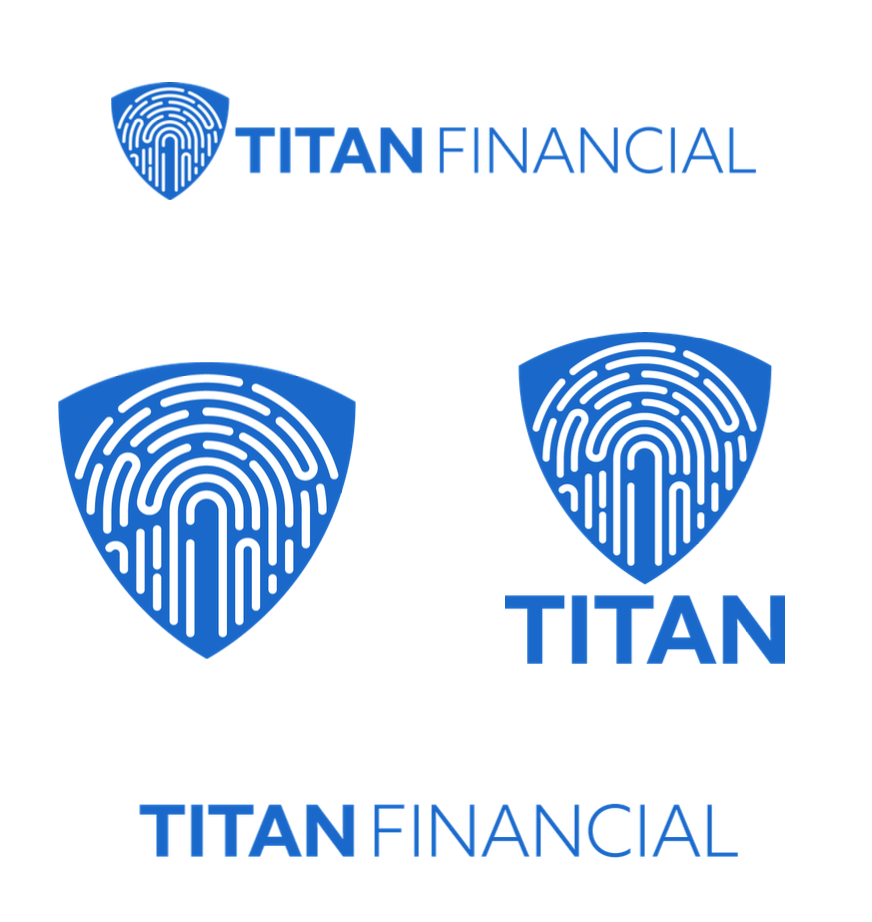
After critique, students refine one final logo and develop additional variations using proportional grid systems. They extend the identity into three real-world applications relevant to their genre and construct a concise brand guideline. The final presentation includes process documentation, grid structure analysis, applied mockups, and brand system articulation.
This final phase moves students from symbol creation to implementation. They begin to understand how abstract ideas must function across formats, contexts, and communication touchpoints.
Learning Outcomes
By the end of this project, students are able to:
Translate research and conceptual mapping into meaningful symbolic forms.
Apply visual rhetoric strategies (metaphor, abstraction, irony) to communicate complex ideas.
Evaluate and refine symbols using structured testing frameworks such as a symbol matrix.
Construct logo variations using proportional grid systems.
Extend symbolic identities into applied, context-driven brand materials.